Wednesday, August 10, 2016

To Stop Climate Change, Don’t Just Cut Carbon. Redistribute Wealth.

Foreign Policy In Focus - Jorge Villarreal*

Climate disruption is inextricably linked to economic inequality. Serious climate solutions must be, too.
 (Photo: Friends of the Earth International / Flickr)
This year's Democratic platform has the fingerprints of progressive movements all over it. A $15 minimum wage, a pathway to cannabis legalization, improvements to Social Security, police accountability, and financial reforms — including a tax on speculation — all make an appearance.
The platform also highlights the critical link between climate and the economy. In particular, it argues that "carbon dioxide, methane, and other greenhouse gases should be priced to reflect their negative externalities."
That's a complicated way of saying that the cost of the harm done to people and the planet should be calculated into the price of energy generated by burning coal, oil, and gas. If these costs were factored into the price consumers pay at the pump or in their utility bills, it could make dirty energy expensive enough to change both consumer and industry behavior. And that, in turn, would make renewable energy much more cost-competitive.
It could also — potentially — raise a lot of money.
Boulder, Colorado, is a case in point. The city made history in 2006 by enacting the country's first municipal-level carbon tax. Voters reauthorized it by a landslide in 2012 — in part, no doubt, due to an annual revenue haul of nearly $2 million. Jurisdictions in Maryland and California have since followed suit and set up their own municipal carbon pricing mechanisms.
But a clean energy economy catalyzed by a carbon tax is only a progressive victory if it's also a just economy. That means the policies to fight climate change also have to help end inequality. Why? Because the two are inextricably linked.
Sure, wealthy people may be in a better position to buy an electric car, cover their roofs in solar panels, and pay a premium for energy-saving appliances. But studies, including one by economists Thomas Piketty and Lucas Chancel, show that the rich are actually super-polluters. In the United States, the top 1 percent of income earners have an average carbon footprint two orders of magnitude bigger than someone in the bottom 10 percent of income earners.
A carbon tax could help transfer wealth from people at the carbon-intensive top to less polluting middle and lower-income households, and ensure the costs of addressing climate change are distributed equitably. But it this won't happen automatically. It will take thoughtful and inclusive policy design and implementation.

Lifting Up the Bottom
Like sales taxes and all other standalone consumption taxes, a carbon tax is, by nature, regressive. This means that people further down the economic ladder will have more difficulty paying them than their wealthier counterparts.
Low-income households spend, on average, 7.2 percent of their income on electricity and fuel — far more than higher income families, which pay about 2.3 percent. Simply put, any tax that increases the price of fossil fuels would hit lower-income families harder than their affluent counterparts, because a bigger portion of their income would be subject to it.
Luckily, there are tools to help structure a tax to redistribute revenue from wealthier households to everyone else.
A measure slated for Washington State's ballot this fall shows one way. The policy directs revenue which would be generated from a carbon tax to fund a state Earned Income Tax Credit worth up to $1,500 per year. It would deliver tax relief to nearly 400,000 low-income households while also cutting the state's regressive sales tax.
Similarly, a national carbon pricing scheme in the form of a cap-and-trade bill that was proposed in the United States in 2009 but never enacted called for an "energy refund program." The program would have provided a refundable tax credit to workers and payments to retirees, people with disabilities, and veterans. It would have also redistributed some revenue to low-income households by way of the electronic benefit transfer (EBT) system used to distribute food stamp benefits.
What revenue isn't directly returned via these mechanisms could be used to fund clean power infrastructure projects for marginalized communities, or programs to mitigate the health impacts of fossil fuel pollution and the effects of climate change. Some ideas being floated include financial incentives for community solar, subsidized rooftop solar systems, and energy efficiency upgrades for low-income homeowners.
As useful as a carbon tax could be, it's by no means a silver bullet. A truly effective climate plan must incorporate other strategies for lifting up people at the bottom of the income ladder.
Chile's carbon tax, for example, was adopted in conjunction with an increase in the nation's corporate income tax. Unlike the carbon tax in Washington State (which plans to phase out taxes on manufacturing) or a carbon trading scheme in British Columbia (which cuts corporate taxes), Chile's tax was specifically designed not to be revenue neutral.
Instead, the money raised there will be reinvested in education and modernizing the nation's electric grid to bring renewable energy online. As part of the policy package, taxes and regulations have been put in place to curb air pollutants from power plants like nitrogen oxides and sulfur as well.

A Broader Transformation
Finally, a carbon tax should be part of broader transformative shift. It isn't enough to merely put a price on emissions and charge it to consumers. The broader goal is to change the way we live, work, play, and think about burning fossil fuels.
In short, the tax would need to help us see how our patterns of consumption are connected to the drivers of climate change. And it would have to help us understand that the impacts of climate change, as well as the impacts of the policies we propose to help fight it, fall disproportionately on low-income communities and marginalized people in all communities.
Research suggests that Ireland's carbon tax, for instance, has encouraged more individuals to recycle regularly and to shift to greener transportation methods even as fuel and electricity prices rise. Norway, which has one of the highest carbon taxes in the world, has turned to seemingly unconventional methods to rethink their approach to climate action. This includes ambitious plans to phase out gasoline-powered automobiles and eventually phase out all automobiles in urban centers — basically altering the construct of the city itself.
A successful approach to climate change would be one in which taxpayers eventually accept the true costs of dirty energy, and actively demand and work towards a cleaner future. Though by no means a silver bullet, a truly climate justice-driven carbon pricing scheme should be part of the equation.

*Jorge Villarreal is a Next Leader at the Institute for Policy Studies.

Links

Hollywood Is Finally Taking on Climate Change. It Should Go Even Further.

Future Tense* - Eric Holthaus*

Leonardo DiCaprio addresses world leaders at the United Nations in April 2016. Photo by JEWEL SAMAD/AFP/Getty Images
Hollywood celebrities have long prided themselves as the social conscience of America. Now, it seems, they've widened their reach to the entire Earth.
"Climate change is real, it is happening right now," DiCaprio said in his Oscar acceptance speech in February. "Let us not take this planet for granted."
With those words, DiCaprio did more for climate change advocacy than any other individual effort, ever, according to a new study. Compared to the Paris climate summit last December—in which world leaders agreed to the first-ever global accord designed to curb greenhouse gas emissions—DiCaprio's speech was four times as effective when it comes to increasing public interest in climate change.
Still, as powerful as it was, DiCaprio's speech was only viewed by tens of millions of people. On Friday, an estimated three billion people watched the opening ceremony of the Olympics in Rio, which included a stark, yet hopeful message about climate change. Brazilian filmmaker Fernando Meirelles directed the opening ceremony, which was probably the single most-watched moment yet about the single most important issue our planet is facing.
(Image)
Moments like these are becoming more common as it becomes painfully clear that the world is running out of time to prevent essentially permanent and potentially catastrophic effects of global warming. Scientists have struggled for decades to get the same basic message across: The world is warming, humans are the cause, and we know how to stop it. It seems, given how resoundly Leo's message was heard, that Hollywood has the potential to become the single most consequential voice amplifying scientists' calls to rapidly change course away from fossil fuels. That signal boost can't happen soon enough.
It doesn't really matter that Leo flies like a king and has a personal carbon footprint that vastly tops anything we mere mortals could ever dream of, or that Brazil's own record of protecting its country's unique environment is mixed at best. What matters now, in this 11th hour, is awareness and hope. We need to increase the number of people clamoring for action. And that's what Leo can help do.
"All that I have seen and learned on my journey has absolutely terrified me," said DiCaprio in an address to world leaders at the United Nations in April. "A massive change is required right now. … You are the last, best hope of Earth."
Hope wasn't always the focus. Ten years ago, possibly the only Powerpoint-based Oscar-winning film in history debuted. An Inconvenient Truth was a lightning rod, inflaming the debate on climate change and setting Al Gore apart as a leading political voice on communicating climate science. It was the start of the most important shift in global climate politics so far, and defined a decade of environmental messaging: Scare the bejeezus out of your audience via charts and graphs.
To some extent, that tactic has worked. For the first time, we have hard evidence that voters really, deeply care about climate change. Unfortunately, we've also seen the issue become one of the most polarizing in American politics. Whether you believe in climate change or not has become wrapped up in your political identity. That's why the infiltration of climate science and awareness into mainstream culture is so heartening—if climate change becomes part of the narrative that surrounds everyday life, perhaps it will become less polarized.
Today, we've got much more beautiful people interested in the issue (no offense, Al) and the stories being told, taken from both the real world and those of our imaginations, are much more persuasive. The Emmy Award-winning series "Years of Living Dangerously," which recently got renewed for a second season, features celebrities like Harrison Ford, Don Cheadle, and Matt Damon traveling the world and engaging with climate-related issues in often confrontational and eye-opening ways. (Indonesia threatened to deport Ford after he confronted the country's forestry minister.) Climate change—or broadly dystopian environmental themes, at least—are appearing with growing frequency in movies and television. Game of Thrones, Interstellar, the Hunger Games, and the Revenant—the film for which DiCaprio won his Oscar all essentially tell the same story: If we blindly continue on our current path, things could get really, really bad.
But for climate change to become a top issue among the American public, we'll need environmental themes to infiltrate popular culture even more. Hollywood has done a great job scaring us, but it now needs to move forward to solutions. In some ways, that's a harder story to tell. Earlier this year, Charles Ferguson's attempt at hope in his new climate change documentary A Time to Choose felt more like a long ad for the renewable energy industry. Perhaps a movie that is free to move beyond reality would be more inspiring—though that speaks to the sad state we are in.
Real change will happen only when our society's concern for the environment reaches a critical mass and—this is important—demands a better world. Hollywood has gotten pretty good at showing us what might happen if we don't act soon. The next step will be to imagine what a better world looks like.

*Future Tense is a partnership of Slate, New America, and Arizona State University.
*Eric Holthaus is a meteorologist who writes about weather and climate for Slate's Future Tense.

Links

Cholera Could Make A Comeback, Thanks To Climate Change

Grist - Katie Herzog


The '90s are back!
The 1890s, that is, when handlebar mustaches were hot and cholera took hundreds of thousands lives across the globe.
Over a century later, both look to be making a resurgence — the former thanks to Brooklyn scenesters and the latter thanks to climate change.
According to a new study in Proceedings of the National Academy of Sciences, the waterborne bacteria that causes cholera, Vibrio, is on the rise due to warming ocean temperatures.
Researchers measured Vibrio bacteria in plankton samples collected between 1958 and 2011, a period during which the surface temperature of the oceans increased by about 1.5 degrees Celsius, and found that as the temperatures got higher, so did the number of lethal bacteria.
Currently, cholera kills about 142,000 people each year worldwide — a number that could increase with climate change.
People in developed nations are not at too much risk, as the disease can be mitigated with good water management.
"As long as those treatment facilities remain intact, I don't think we're going to see outbreaks of cholera [in Europe and the United States] again," study coauthor Rita Colwell told Scientific American. 
But the same cannot be said for the rest of the world.
People in less-developed nations with poor sanitation systems are especially vulnerable.

Links

Tuesday, August 09, 2016

Climate change will claim 160,000 lives a year in India by 2050

India Climate Dialogue - 

Food production is expected to decline as our planet heats up. (Photo by Michael Foley)
As  many as 160,000 people will die every year in India by 2050 due to decreased food production because of climate change, an Oxford University study has predicted. India ranks second in the mortality forecast after China, where as many as 248,000 are expected to die for this reason. Surprisingly, the US ranks fifth, after Vietnam and Bangladesh.
Asked whether China wouldn't face fewer deaths than India, considering that India will have overtaken its population by around 2030, and China has a higher standard of living, Marco Springmann, lead author of the study by the Oxford Martin Future of Food programme in the university, told indiaclimatedialogue.net, "It also depends on mortality rates and the magnitude of climate and yield shocks. The US comes in fifth because of its high population and its vulnerability to climate shocks."
Worldwide, there would be 529,000 more deaths due to climate-related factors midway this century. The study, which was published in the UK health journal Lancet in March, used models to estimate the health impacts due to shortages of food crops caused by changes in climate. It assessed the risk to human health caused by reduced consumption of fruits and vegetables, red meat consumption and changes in body weight. This could lead to deaths due to heart disease, stroke, cancer and other ailments.
"In our study, we accounted for the feedbacks between grain as feedstock and grain for human consumption, and we took into account standard population projections," Springmann said. It calculated the change in the number of deaths attributed to climate-related factors to lowering of body weight and reduction in diet in different emissions scenarios – ranging from high to medium to low.

Lower food availability
By 2050, in the 155 countries analysed, climate change will lower people's availability of food by 3.2%, fruits and vegetables by 4% and red meat by 0.7%. "Twice as many climate-related deaths were associated with reductions in fruit and vegetable consumption than with climate-related increases in the prevalence of underweight, and most climate-related deaths were projected to occur in south and East Asia," the study says.
Diarmid Campbell-Lendrum, who leads a team on climate change and health at the World Health Organisation (WHO), told indiaclimatedialogue.net, "WHO has been saying for almost a decade that climate change is perhaps the greatest threat to public health of the current century, and we have been highlighting that one of the main risks of climate change is through impacts on food and nutrition security, for even longer."
"However, while it is clear that agricultural production is sensitive to weather and climate and therefore must be affected by climate change, there are few studies that quantify how this may eventually impact health – so the current work is an important addition to our knowledge."
Sowing paddy in Tamil Nadu. (Photo by Michael Foley)
The Oxford study confirms that the impact on food supply and food security "could be one of the most important consequences of climate change in view of the large number of individuals that might be affected". The changes could reduce the food harvested, leading to higher prices and reduced consumption, and to an increase in the number of malnourished people. Agricultural and regional food availability also affects the composition of diets.
In 2010, the WHO's Global Burden of Disease study reported that most deaths throughout the world were attributable to dietary risk factors associated with imbalanced diets. In developing countries these were diets low in fruits and vegetables, while in affluent countries, these were related to red and processed meat consumption.
As the Oxford study points out, "The increasing importance of dietary risk factors represents a general trend away from communicable diseases associated with undernutrition and poor sanitation to non-communicable diseases associated with high bodyweight and unbalanced diets."

Quantitative risk assessment
In 2014, the WHO published a quantitative risk assessment of the impact of climate change on selected causes of deaths in 2030 and 2050. It quantified climate-related mortality according to heat, coastal flooding, diarrhoeal disease, malaria, dengue and undernutrition. It estimated that due to climate change, an additional 38,000 elderly people would die due to exposure to heat, 48,000 people to diarrhoea, 60,000 to malaria and 95,000 children due to malnutrition in 2030.
By the middle of this century, it attributed the biggest toll to heat, which would claim an additional 95,000 deaths annually, while undernutrition would come a close second with 85,000 deaths. "By 2050," the study points out, "impacts of climate change on mortality are projected to be the greatest in south Asia."
Since India is by far the biggest country in this region, it will suffer the most on this account. The excess number of deaths annually due to heat in south Asia would be 21,648 in 2030 and 62,821 in 2050. However, with proper adaptation measures to cope with climate change, these numbers could fall sharply.
At the same time, the WHO notes that global predictions of deaths due to heat in the decades to come indicate "there is a significant burden on mortality. Hot weather is also known to affect mortality and morbidity in other age groups, and this may indicate that the results [of its study] are an underestimate of the total burden on health." The WHO estimates that by 2030, there would be 241,000 additional deaths due to climate change, going up marginally to 245,000 in 2050.
"Our overall estimate is higher than that of the WHO because we looked at different risk factors that were not covered by the WHO assessment, but that impact a broad spectrum of the population. The impacts of climate change on food affect everybody, because everybody eats. In contrast, some of the vector-borne diseases analysed by the WHO are constrained to certain regions," Springmann told indiaclimatedialogue.net.
"We have also pointed out that our own previous estimates are conservative (low), precisely because they do not cover the full range of ways in which we expect climate change to impact on health – as we have lacked quantitative studies of many of the likely mechanisms," said Campbell-Lendrum. "The current work (by Oxford University) is therefore also welcome in that it broadens the range of evidence beyond simply calories, to include the type and quality of the food that we will have available."
Climate change will lead to yield shocks. (Photo by Rajarshi Mitra)
"Although the numbers are not directly comparable, the scale of the difference between the new estimates and those which we published a couple of years ago are quite surprising. The largest differences appear to be because of the impacts on consumption of fruits and vegetables," Campbell-Lendrum said. "This is plausible as we know that low levels of consumption of these types of foods are now a major killer – but it is important to point out that there has been much less research on the effect of climate change on the production, and then the availability, of fruits and vegetables, than there has been on staple crops."

Wanted: stronger public health programmes
The Oxford study points to how adaptation to climate change can mitigate the impact on mortality. It points to the need for stronger public health programmes – in India, for instance, the employment of anganwadi workers who measure the weight of infants every month to monitor their progress. This can prevent and treat diet and weight-related ailments.
Vandana Prasad, a paediatrician who works with the Jan Swasthya Abhiyan and is part of the right to food campaign, told indiaclimatedialogue.net, "The study adds a welcome fresh angle to the growing body of evidence suggesting dangerous trends of food insecurity currently and in the near future."
"It is of course an issue that is likely to lead to both increases in undernutrition and overnutrition, and increased deaths from both infections as well as non-communicable diseases in the same countries, since they happen to be in transition with different socio economic groups affected differentially by the same pathways. The use of large global databases is also likely to hide even graver consequences for certain groups such as tribal communities and the poorest of the poor," Prasad said.
"However, without an analysis of the political economy of climate change and factors affecting food security and diversity, it is highly unlikely that this evidence will provoke any fundamental alterations in the policy environment that could avert or mitigate the current grave inequity in food security and diversity in India."
The Oxford study identifies areas where further research is required. One is the impact of climate change on crops that policymakers consider less important than staples like rice and wheat — like fruits and vegetables, which play a greater role in people's health. Impacts on crops like groundnuts, maize, potatoes, sorghum and soybeans are also well known while those on other crops have to be analysed after taking their biophysical similarities into account.

High uncertainty
Secondly, agricultural commodity markets are already highly volatile in economic terms and this is accentuated with climatic shocks, making them subject to high uncertainty. "It is also important to point out that the eventual impacts of climate change on agricultural practices, then on food trade, availability and price and then, dietary choices, are not set in stone. They will depend at least as much on our policy and individual choices, including what we do in response to climate change, as to the effects of climate change itself," Campbell-Lendrum told indiaclimatedialogue.net.
"In practical terms, the (Oxford) study reinforces the need for adaptation to climate change, and a greater focus on equity and sustainability in food and nutrition policy, in order to protect health. It also underlines the need to promote stronger mitigation policies, to limit the damage that climate change will do to environmental determinants of health such as food and nutrition security, but also water and sanitation, among others. We also know that there are large opportunities to promote agricultural practices and diets that will reduce emissions of greenhouse gases, and promote health."

Links

Why Malcolm Roberts' Demand For 'Empirical Evidence' On Climate Change Is Misleading

The Guardian - 

Scientist and Nobel prize-winner Peter Doherty says new One Nation senator 'has no understanding of how science works'
Pauline Hanson and Malcolm Roberts. His brand of climate denial is now in the national spotlight. Photograph: Dan Peled/AAP
Across Australia, climate science denialists are beside themselves with glee at the voting into office of one of their own.
Late last week, the Australian Electoral Commission confirmed that Pauline Hanson's One Nation party had snagged Queensland's final 12th Senate spot. Her candidate, Malcolm Roberts, is now a senator.
Roberts' election is yet another demonstration of the quirkiness of Australia's electoral system.
Only 77 people actually voted for Roberts as a first preference but, thanks to the popularity of Hanson, he's in for three years.
Roberts' own brand of climate denial – a heady mix of conspiracy theories and blind spots the size of the Antarctic ice sheet – is now in the national spotlight.
Roberts has had wall-to-wall coverage across Australia's media – from Sky News, to Lateline, to Insiders to flagship ABC radio. Even Triple J has joined in.
News Corp's Andrew Bolt, a strong promoter of the kind of material produced by Roberts, told the senator there were now "five or six out and proud voices of climate scepticism in the Senate".
So how did Roberts respond to his newfound fame? Well, he didn't disappoint, telling every mainstream audience there was "no empirical evidence to show that carbon dioxide affects the climate in any way".
I've written several stories over the years about Roberts and the Galileo Movement – the climate science denial group founded in 2011 with radio personality Alan "climate change is witchcraft" Jones as its patron.
Three years ago I pointed out how One Nation was taking its cues on climate science from Roberts. Last month I suggested that, if elected, Roberts would bring an extreme form of climate science denial to the Senate.
But for those paying close attention to climate science denial – such as the string of US senators who spent hours talking about it only last month – Roberts sounds like a broken record. In Roberts' case, the needle has been stuck for about six years.
What about his conspiracy theories (he says they're not conspiracies, just facts) that climate change is a scam pushed by global banks looking for cash and the UN on the hunt for global domination? Roberts didn't disappoint there either.
On ABC Melbourne, host Rafael Epstein asked Roberts: "Do you think the UN's trying to impose some sort of global government through climate change policy?"
"Definitely," replied Roberts. "Really?" checked Epstein. "Definitely," confirmed Roberts.
For years, Roberts has been writing to politicians, government agencies, universities and scientists making the same claim that there is "no empirical evidence" to show fossil fuel burning causes climate change.
You can go and read all that material on his website – I'll see you in six months once you've read it all.
So what does Roberts mean by "empirical evidence"? According to him, decisions should be based on "observations in the real world … it's measured, real world data" and nothing else counts.
There are two very obvious problems with Roberts' argument.
The "real world data" is sending a clear message that the Earth is gaining heat at a rapid rate and that this is a long-term trend. Whether you look at global air temperatures measured in the real world by thermometers or derived from satellites, or the temperature of the oceans at multiple depths, or the increasing frequency of extreme temperatures, or the rising sea levels, the melting ice sheets, the disappearing Arctic sea ice, the increasing risk of bushfires … we could go on and on with a parade of "empirical evidence".
Anyone can claim there is no evidence if they refuse to look at it. Professor Steven Sherwood, UNSW
At the same time, humans are adding CO2 to the atmosphere and oceans at a rate that groups like the Geological Society say are unprecedented "even in comparison with the massive injections of carbon to the atmosphere at the Palaeocene-Eocene boundary, which led to a major thermal event 55m years ago".
Roberts' argument that science is only about "empirical evidence" might sound all sciencey to his interviewees and the lay audience. But it's bunk.
If all you rely on is "empirical evidence", and reject modelling and analysis that uses that data, then you basically throw out large swathes of modern scientific endeavours.
Prof Steven Sherwood, director of the Climate Change Research Centre at the University of New South Wales, told me:
The argument is specious.
Anyone can claim there is no evidence if they refuse to look at it. In Galileo's time, some people refused to look into his telescope and then claimed there was no evidence to support what he was saying. Same thing today.
The problem is that evidence does not stand up by itself and announce the answer to any given question. Evidence must be interpreted by humans. Scientists have all interpreted the evidence, going back decades, and unanimously agree that it proves beyond a reasonable doubt that (a) humans are increasing CO2 and (b) this is causing warming. There is not a single respectable atmospheric scientist in the world whom I know of, who disagrees with either of these conclusions (there are a handful who challenge the magnitude of the effect but that's a different question).
It is impossible to make a prediction based on data alone. Only a model can make a prediction of anything that has not happened yet.
Denial suite
Roberts has built a whole suite of well-rehearsed arguments to enable him to reject any assertions put to him.
They go like this, and I'm paraphrasing here. Climate scientists only say it's warming because if they didn't their grants would dry up. The Bureau of Meteorology and CSIRO have corrupted climate science and are thus guilty of corruption. Government agencies are politicised, which means anything they produce cannot be trusted. You can't trust climate models, so anything that comes from them should be chucked out.
[Roberts] has no understanding of how science works. Professor Peter Doherty, Nobel winner
One of Australia's most famous and celebrated scientists is Prof Peter Doherty, who, in 1996, was jointly awarded a Nobel prize for his research into the immune system.
Doherty told me he had sent Roberts "plenty of reports and material" but Roberts had ignored it.
So Doherty has first-hand experience with Roberts and also knows a bit about the scientific method. He told me:
I've never used the term 'empirical evidence', or heard any other working scientist say it. [Roberts] has no understanding of how science works.
Discoveries in science stem from a mix of hypothesis, experiment, data generation, data analysis, insight and even a bit of guesswork. Telling the story of what's happening in something as complex as climate science further depends on integrating information from a diverse spectrum of fields, then designing to see if the conclusions are valid or false. There's a constant process of correction and further interpretation that then has to be supported by measurement.
You can tell a genuine sceptic from a denier (as I discuss in The Knowledge Wars) because the sceptic will want to look at new data and conclusions and, like any real scientist, will modify their conclusions accordingly. The denier remains 'locked in' to a sort of 'decerebrate rigidity'.
All good scientists are sceptical, not least about their own data and conclusions. Further data show that we're wrong, and we prefer not to be wrong, so people change their positions with new evidence. And, if you want to understand very complex, interactive systems, you have to use modelling approaches.
With climate science, data is coming in from a very broad spectrum of scientific disciplines that no one person can pull together ... thus the IPCC.
So how should journalists react when a newly-minted senator makes claims that run against science academies across the planet while suggesting institutions and governments the world over – from the US military to the UN – are either part of, or have been hoodwinked by, a conspiracy that only he can and a few other people on the internet are able to see?
Deference? Respect? Polite engagement?
According to Doherty "you have to respect the institutions of our democracy, including the Australian Senate, but that does not mean you have to respect the viewpoints held by individual senators".
So there is another approach journalists could take.
In 2013, Roberts sent one of his voluminous reports to Ben Cubby, then the environment editor at the Sydney Morning Herald. I'll leave you with Cubby's response.
In considering your request that I identify errors in the report you sent to me – CSIROh! Climate of Deception? Or First Step to Freedom? – I find myself confronting an unusual problem: how does one critically analyse a pile of horseshit?
Links

On the Frontline: Climate Change & Rural Communities

Climate Council - Lauren Rickards | Lesley Hughes | Will Steffen

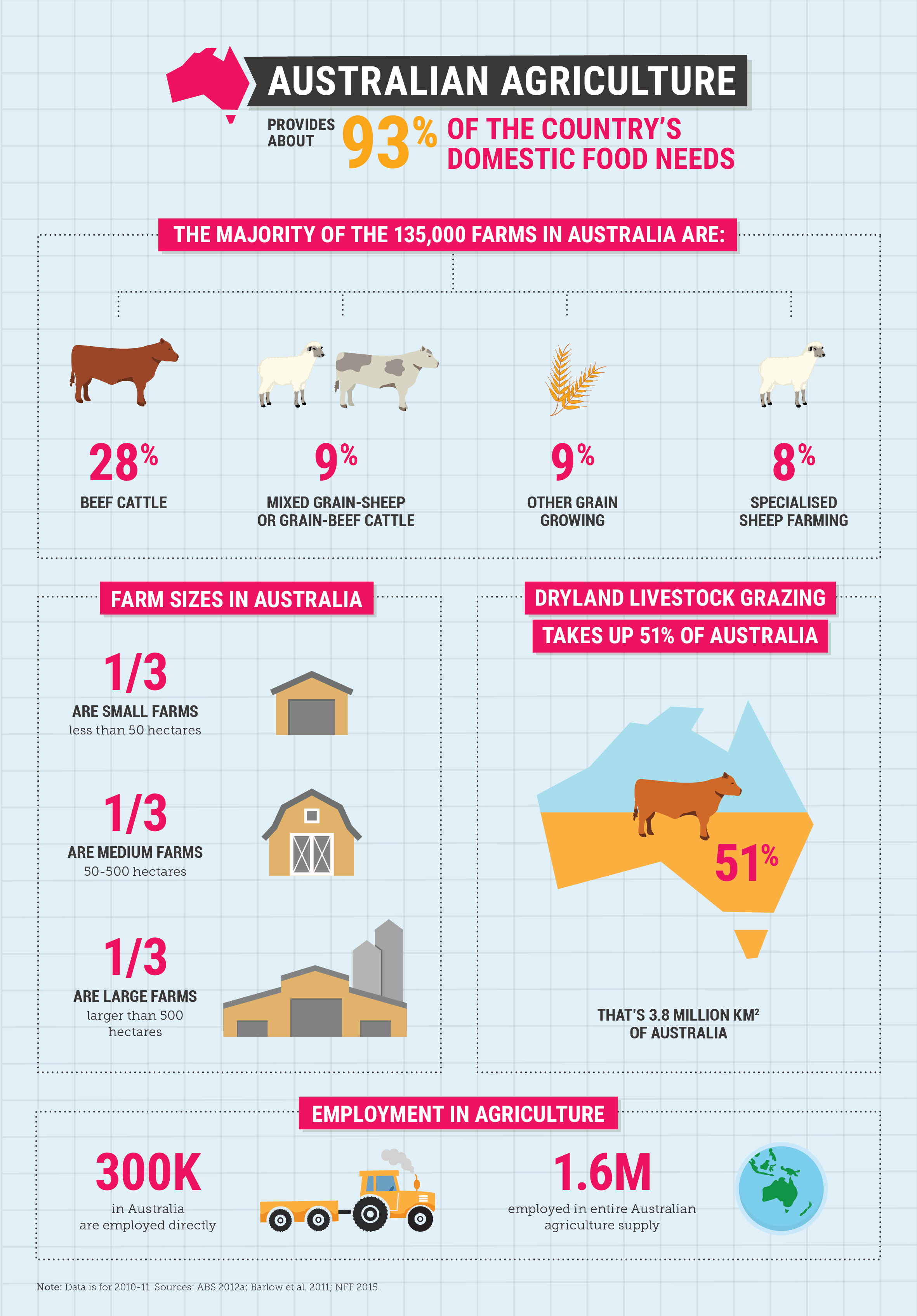
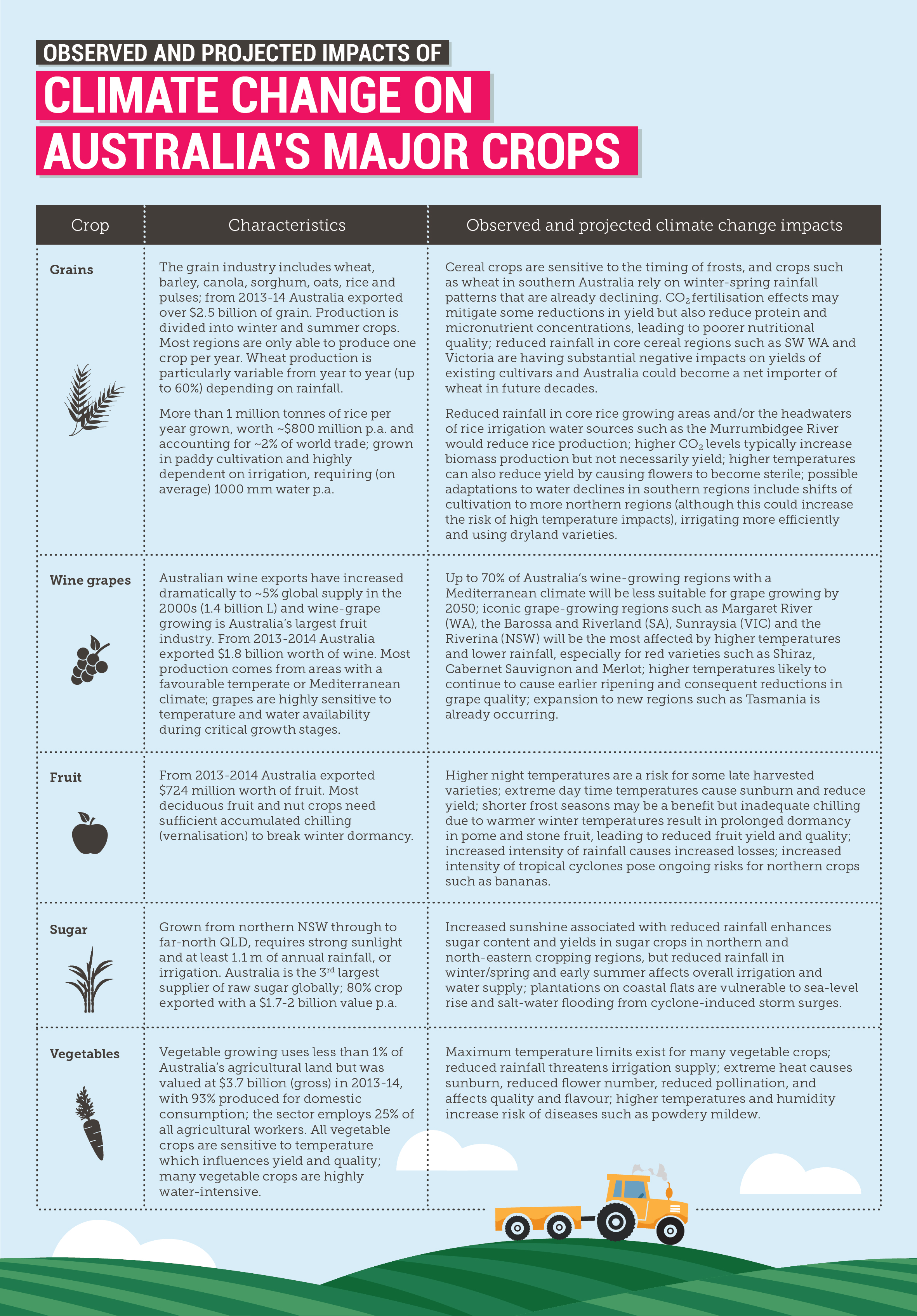
Our new report reveals that climate change is likely to worsen the systemic disadvantages suffered by rural and regional communities, and further widen the gap between rural and urban areas.
The 'On the Frontline: Climate Change & Rural Communities' report finds the increase in extreme weather events is disproportionately affecting those in rural areas, with serious social, health and economic impacts.

KEY FINDINGS

1. Rural and regional communities are disproportionately affected by the impacts of climate change.
  • Climate change is worsening extreme weather events such as bushfires and drought and rural and regional communities will continue to be disproportionately affected.
  • Many agricultural businesses surveyed have used financial reserves and/or have taken on increased debt in response to extreme weather events.
  • Australia's agricultural sector is showing signs of decreasing capacity and faltering productivity gains and the resilience of some rural industries is under threat.
2. The systemic disadvantages experienced by rural and regional communities over those in urban areas are likely to worsen if climate change continues unabated.
  • Rural and regional communities have already seen a significant reduction in population that has prompted further losses in services and unemployment. Climate change will further exacerbate these stresses.
  • Strong climate action is required to protect rural and regional communities from the worsening impacts.
3. Rural and regional communities are already adapting to the impacts of climate change but there are limits and costs.
  • Adaptation to cope with a changing climate may be relatively incremental, such as changing sowing and harvesting dates, or switching to new breeds of livestock and new varieties of crops.
  • More substantial adaptation options may involve changing production systems (eg. from cropping to grazing), or relocating to more suitable areas.
  • The more transformational adaptive changes may be risky and expensive, especially for individual farmers.
  • As the climate continues to change, adaptation will become increasingly challenging.
4. While rural and regional communities are on the frontline of climate change impacts, tackling climate change also provides these communities with many opportunities.
  • In Australia, rural areas receive around 30 - 40% of the total investment in renewables, valued at $1-2 billion per year.
  • Renewable energy projects bring jobs and investment into rural and regional communities. Delivering half of our electricity from renewable sources by 2050 would create more than 28,000 jobs.
  • The transition to clean energy will also reduce the health burden of burning coal, which is almost entirely borne by rural and regional areas, e.g. the Hunter and Latrobe valleys.
  • Farmers can build the climate resilience of their farms by adding additional revenue streams, such as by hosting wind turbines and other renewable energy projects. Across Australia, approximately $20.6 million is paid annually in lease payments to farmers and landholders hosting wind turbines.
  • Community funds and additional rate revenue for rural and regional areas from renewable energy can be used to improve public services such as schools and local infrastructure.
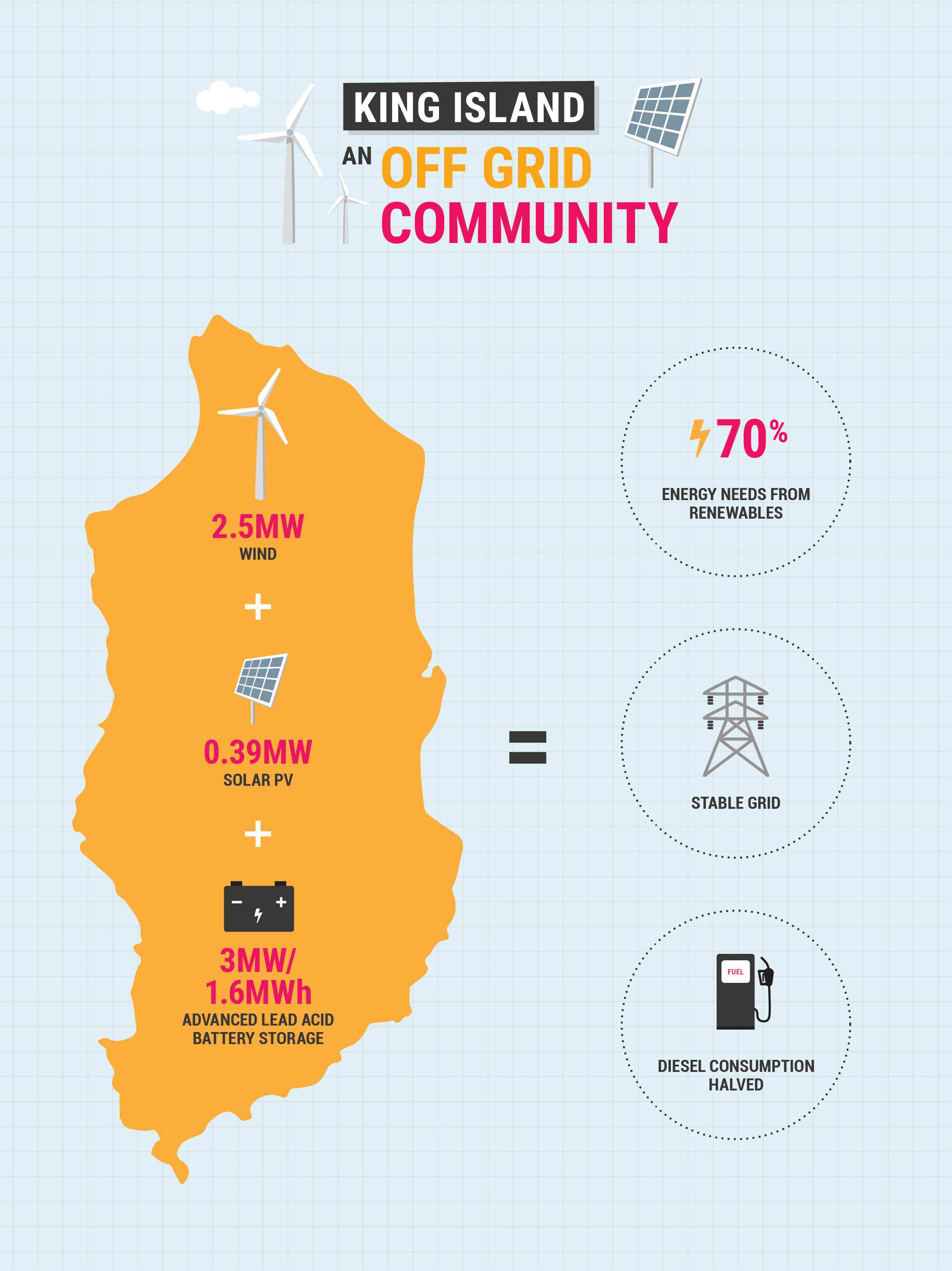
  • Renewable energy can reduce electricity costs for rural and remote communities, who traditionally pay much higher prices than their urban counterparts. It also offers independence from the grid with several towns now racing to be the first to operate on 100% renewable energy.

DOWNLOAD THE REPORT

INFOGRAPHICS

Click image to enlarge


Click image to enlarge


Click image to enlarge

Links

Monday, August 08, 2016

One Nation’s Malcolm Roberts Is In Denial About The Facts Of Climate Change

The Conversation - 

Malcolm Roberts was number 2 on the Pauline Hanson's One Nation ticket. AAP Image/Dan Peled
The notion that climate science denial is no longer a part of Australian politics was swept away yesterday by One Nation Senator-Elect Malcolm Roberts.
In his inaugural press conference, Roberts claimed that "[t]here's not one piece of empirical evidence anywhere, anywhere, showing that humans cause, through CO₂ production, climate change".
He also promoted conspiracy theories that the CSIRO and Bureau of Meteorology are corrupt accomplices in climate conspiracy driven by the United Nations.


His claims conflict with many independent lines of evidence for human-caused global warming. Coincidentally, the University of Queensland is releasing a free online course this month examining the psychology and techniques of climate science denial. The very first video lecture addresses Roberts' central claim, summarising the empirical evidence that humans are causing climate change.

Consensus of Evidence (from Denial101x course)

Scientists have observed various human fingerprints in recent climate change, documented in many peer-reviewed scientific papers.
Satellites measure less heat escaping to space at the exact wavelengths at which CO₂ absorbs energy. The upper atmosphere is cooling at the same time that the lower atmosphere is warming – a distinct pattern unique to greenhouse warming. Human activity is also changing the very structure of the atmosphere.
Human fingerprints in climate change Skeptical Science
Not only do these unique fingerprints confirm humanity's role in recent climate change, they also rule out other potential natural contributors. If the Sun caused global warming, we would expect to see days warming faster than nights, and summers warming faster than winters.
Instead we observe the opposite: nights are warming faster than days, and winters are warming faster than summers, which is a greenhouse pattern predicted by John Tyndall as long ago as 1859.
Similarly, if global warming were caused by internal variability, we would expect to see heat shuffling around the climate system with no net build-up. Instead, scientists observe our climate system accumulating heat at a rate of more than four atomic bombs per second.
Climate patterns confirm human causation and rule out natural causes Skeptical Science
Our scientific understanding grows stronger when many independent lines of evidence all point to a single, consistent conclusion. In the case of climate change, the "consensus of evidence" has led 97% of climate scientists to agree that humans are causing global warming.
The scientific consensus on climate change has also been endorsed by many scientific organisations all over the world, including the national science academies of 80 countries.
National Academies of Science endorsing human-caused global warming Skeptical Science
Is it a conspiracy?
How does one dismiss a global scientific consensus built on a robust body of empirical evidence?
There are five characteristics of science denial. These common traits are seen when people reject climate science, the benefits of vaccination, or the research linking smoking to cancer.
The techniques of denial are: fake experts; logical fallacies; impossible expectations; cherrypicking; and conspiracy theories. This is summarised in the acronym FLICC.

The five characteristics of science denial (from Denial101x course)

Climate science denial and conspiratorial thinking are often found together. A well-known example is that of Donald Trump, who has dismissed climate change by blaming it on a Chinese conspiracy.
Several studies have linked climate science denial and conspiratorial thinking. If a person disagrees with a global scientific consensus, they’ll typically believe that the scientists are all engaging in a conspiracy to deceive them.
Malcolm Roberts’ conspiracy theories have been well documented and were once again on offer in yesterday’s speech. He espouses a conspiracy that encompasses the CSIRO, Bureau of Meteorology, international banking families, the United Nations and Al Gore.
Unfortunately, I am not optimistic that the evidence for human-caused global warming will persuade Malcolm Roberts. The scientific evidence from psychology tells us that scientific evidence is largely ineffective on those who dismiss climate science with conspiracy theories.
My own research found that communicating the science of climate change to those who exhibit conspiratorial thinking can even be counterproductive, activating their distrust of scientists and strengthening their denial of the evidence.
Furthermore, conspiratorial thinking is self-sealing. When conspiracy theorists are presented evidence that there is no conspiracy, they often respond by broadening the conspiracy to include that evidence. In other words, they interpret evidence against a conspiracy as evidence for the conspiracy.
Our course on climate science denial will be much more useful to those who are open to scientific evidence and curious about the research into the causes and impacts of climate change and the psychology of climate science denial.

Links

Lethal Heating is a citizens' initiative