Friday, December 10, 2021

(AU The Conversation) Australian Forests Will Store Less Carbon As Climate Change Worsens And Severe Fires Become More Common

The Conversation -  |  | 

Severely burned forest following the devastating fire season of 2019 and 2020. T Fairman

Authors
  •  is Future Fire Risk Analyst, The University of Melbourne
  •  is Associate Professor - Forest and Landscape Dynamics, The University of Melbourne
  •  is Associate Professor - Ecosystem Sciences and Forest Carbon, The University of Melbourne
Eucalypt forests are well known for bouncing back after fire, and the green shoots that emerge from eucalypts stems as they begin their first steps to recovery provide some of the most iconic images of the Australian bush.

Resprouting allows trees to survive and quickly start photosynthesising again, which keeps carbon “alive” and stored in the tree.

On the other hand, if a tree dies and slowly rots, the carbon stored in the tree is released into the atmosphere as a source of greenhouse gas emissions.

But our new research finds more frequent, severe bushfires and a hotter, drier climate may limit eucalypt forests’ ability to resprout and reliably lock up carbon. This could seriously undermine our efforts to mitigate climate change.

Our findings paint a cautionary tale of a little known challenge posed by climate change, and gives us yet another reason to urgently and drastically cut global emissions.

Eucalypt forest recovery up to four years after severe bushfire north of Heyfield. T Fairman

We need forests to fight climate change

At the international climate summit in Glasgow last month, more than 100 nations pledged to end and reverse deforestation. This put a much-needed spotlight on the importance of the world’s forests in storing carbon to mitigate climate change.

Victoria’s national parks alone store almost 1 billion tonnes of carbon dioxide equivalent. For perspective, that’s roughly a decade’s worth of Victoria’s net CO₂ emissions in 2019 (91.3 million tonnes).

Australia’s forests have forged a tight relationship with bushfire. But climate change is already changing – and will continue to change – the size, severity and frequency of bushfires. In Victoria, for example, over 250,000 hectares have been burned by at least two severe fires in just 20 years.

This unprecendented frequency has led to the decline of fire sensitive forests, such as the iconic alpine ash.

Extensive wildfires that have burned in Victoria between 2000 and 2020 have overlapped, resulting in large areas of forest being burned by multiple severe fires in that period. Geary et al, 2021

While resprouting eucalypts can be resilient to periodic fires, we know surprisingly little about how they’ll respond to increasingly common severe fires, particularly when combined with factors like drought.

Early evidence shows resprouting can fail when fire is too frequent, as seen in snow gum forests in the Victorian alps.

Understanding why is an area of active research, but reasons could include damaged resprouting buds (as their protective bark is thinned by successive fires), or the depletion of the trees’ energy reserves.

Snow gum forest killed and burned by three successive severe fires in ten years in the Alpine National Park. T Fairman

Forests burned by two fires stored half the carbon

If resprouting after fire begins to fail, what might this mean for carbon stores in widespread fire-tolerant eucalypt forests?

In our new paper, we tackled this question by measuring carbon stored in Victoria’s dry eucalypt forests. We targeted areas that had been burned once or twice by severe bushfire within just six years. In these places, severe fires usually occur decades apart.

In general, we found climate change impacts resprouting forests on two fronts:
  1. as conditions get warmer and drier, these forests will store less carbon due to reduced growth
  2. as severe fires become more frequent, forests will store less carbon, with more trees dying and becoming dead wood.
Our study forest type in West Gippsland, and the effects of one and two severe fires within six years. In the frequently burned site, nearly all trees had their epicormic buds killed and all resprouting occurred from the base of the trees. T Fairman

First, we found carbon stores were lower in the drier and hotter parts of the landscape than the cooler and wetter parts. This makes sense - as any gardener knows, plants grow much better where water is plentiful and it’s not too hot.

When frequent fire was added to the mix, forest carbon storage reduced even further. At warmer and drier sites, a forest burned by two severe fires had about half as much carbon as a forest burned by a single severe fire.

More trees were killed with more frequent fire, which means what was once “living carbon” becomes “dead carbon” - which will rot and be a source of emissions. In fact, after two fires, less than half of the forest carbon was stored in living trees.

The carbon stored in large living trees is an important stock and is usually considered stable, given larger trees are generally more resilient to disturbance. But we found their carbon stocks, too, significantly declined with more frequent fire.

Victoria’s high country, recovering from multiple fires in the last 20 years. T Fairman

What do we do about it?

Given how widespread this forest type is in southern Australia, we need a better understanding of how it responds to frequent fires to accurately account for changes in their carbon stocks. We also must begin exploring new ways to manage our forests.

Reinstating Indigenous fire management, including traditional burning practices, and active forest management may mitigate some of the impacts we’ve detected.

We could also learn from and adapt management approaches in the dry forests of North America, where the new concept of “pyro-silviculture” is being explored.

Pyro-silviculture can include targeted thinning to reduce the density of trees in forests, which can lower their susceptibility to drought, and encourage the growth of large trees. It can also involve controlled burns to reduce the severity of future fires.

With the next, inevitable fire season on Australia’s horizon, such approaches are essential tools in our management kit, ensuring we can build better resilience in forest ecosystems and stabilise these crucial stocks of carbon.

Links

(AU The Conversation) Liquid Marbles: How This Tiny, Emerging Technology Could Solve Carbon Capture And Storage Problems

The Conversation - | | |

Shutterstock

Authors
  • is Lecturer in Mechanical Engineering, University of the Sunshine Coast
  • is Professor, Queensland University of Technology
  • is Professor and Director of Queensland Micro- and Nanotechnology Centre, Griffith University
  • is Professor, Mechanical Systems and Asset Management, Queensland University of Technology
Carbon capture and storage (CCS) has been touted, again and again, as one of the critical technologies that could help Australia reach its climate targets, and features heavily in the federal government’s plan for net-zero emissions by 2050.

CCS is generally when emissions are captured at the source, such as from a coal-fired power station, trucked to a remote location and stored underground.

But critics say investing in CCS means betting on technology that’s not yet proven to work at scale.

Indeed, technology-wise, the design of effective carbon-capturing materials, both solid and liquid, has historically been a challenging task.

So could it ever be a viable solution to the fossil fuel industry’s carbon dioxide emissions?

Emerging overseas research shows “liquid marbles” – tiny droplets coated with nanoparticles – could possibly address current challenges in materials used to capture carbon.

And our modelling research, published yesterday, brings us a big step closer to making this futuristic technology a reality.

Issues with carbon capture

Under its Technology Investment Roadmap, the Morrison government considers CCS a priority low-emissions technology, and is investing A$300 million over ten years to develop it.

But the efficacy and efficiency of CCS has long been controversial due to its high-operational costs and scaling-up issues for a wider application.

An ongoing problem, more specifically, is the effectiveness of materials used to capture the CO₂, such as absorbents. One example is called “amine scrubbing”, a method used since 1930 to separate, for instance, CO₂ from natural gas and hydrogen.

The problems with amine scrubbing include its high costs, corrosion-related issues and high losses in materials and energy. Liquid marbles can overcome some of these challenges.

This technology can be almost invisible to the naked eye, with some marbles under 1 millimetre in diameter. The liquid it holds – most commonly water or alcohol – is on the scale of microlitres (a microlitre is one thousandth of a millilitre).

The marbles have an outer layer of nanoparticles that form a flexible and porous shell, preventing the liquid within from leaking out. Thanks to this armour, they can behave like flexible, stretchable and soft solids, with a liquid core.

The federal government regards carbon capture and storage as a priority technology, but some critics say it will only allow the fossil fuel industry to continue polluting. AAP Image/Mick Tsikas

What do marbles have to do with CCS?

Liquid marbles have many unique abilities: they can float, they roll smoothly, and they can be stacked on top of each other.

Other desirable properties include resistance to contamination, low-friction and flexible manipulation, making them appealing for applications such as gas capture, drug delivery and even as miniature bio-reactors.

In the context of CO₂ capture, their ability to selectively interact with gases, liquids and solids is most crucial. A key advantage of using liquid marbles is their size and shape, because thousands of spherical particles only millimetres in size can directly be installed in large reactors.

Gas from the reactor hits the marbles, where it clings to the nanoparticle outer shell (in a process called “adsorption”). The gas then reacts with the liquid within, separating the CO₂ and capturing it inside the marble. Later, we can take out this CO₂ and store it underground, and then recycle the liquid for future processing.

This process can be a more time and cost-efficient way of capturing CO₂ due to, for example, the liquid (and potentially solid) recycling, as well as the marbles’ high mechanical strength, reactivity, sorption rates and long-term stability.

So what’s stopping us?

Despite recent progress, many properties of liquid marbles remain elusive. What’s more, the only way to test liquid marbles is currently through physical experiments conducted in a laboratory.

Physical experiments have their limitations, such as the difficulty to measure the surface tension and surface area, which are important indicators of the marble’s reactivity and stability.

A liquid marble, with lines indicating the trajectory of its internal flow. Nam-Trung Nguyen, Author provided

In this context, our new computational modelling can improve our understanding of these properties, and can help overcome the use of costly and time-intensive experiment-only procedures.

 Another challenge is developing practical, rigorous and large-scale approaches to manipulate liquid marble arrays within the reactor.

Further computational modelling we’re currently working on will aim to analyse the three-dimensional changes in the shapes and dynamics of liquid marbles, with better convenience and accuracy.

This will open up new horizons for a myriad of engineering applications, including CO₂ capture.

Beyond carbon capture

Research on liquid marbles started off as just an inquisitive topic around 20 years ago and, since then, ongoing research has made it a sought-after platform with applications beyond carbon capture.

This cutting-edge technology could not only change how we solve climate problems, but environmental and medical problems, too.

Magnetic liquid marbles, for example, have demonstrated their potential in biomedical procedures, such as drug delivery, due to their ability to be opened and closed using magnets outside the body.

Other applications of liquid marbles include gas sensing, acidity sensing and pollution detection.

With more modelling and experiments, the next logical step would be to scale up this technology for mainstream use.

Links

(AU ABC) Net Zero Policies Could Have A Big Impact On Farm Businesses And The Rural Landscape

ABC Rural - David Claughton | Josh Becker

Farmer Clare Cannon is excited about the potential for net zero policies to change the economics of farming and the landscape itself. (Supplied: Carbon Market Institute)

Key Points
  • Labor's 2030 net zero target could drive up the carbon price and demand for carbon credits
  • The government's Technology Investment Roadmap aiming to bring down the cost of carbon sequestration on farms
  • The rising carbon market could help transform farm businesses and reshape the Australian landscape
Farmers may be deeply affected by net zero policies of the two major parties, and a big shake-up is possible to both the carbon market and farm landscapes around the country if they are fully adopted.

The ALP has set a 43 per cent reduction target for 2030 and has earmarked the "safeguard mechanism" as its key driver for getting there.

John Connor from the Carbon Market Institute has welcomed the policy but thinks both parties need to go further.

The group represents farmers, carbon traders and the big emitters and corporates, including BHP, Newcrest, Qantas, Coles, Energy Australia, Origin, Orics, Lion and Incitec Pivot.

"We have to do almost 50 per cent reductions on 2010 levels by 2030."

John Connor from the Carbon Market Institute inspecting a property where carbon farming is occurring. (Supplied: John Connor)

He also supported the government's Technology Investment Roadmap, which includes a range of measures to support companies to reduce emissions and develop the carbon trading system.

"The government has also been assisting companies that want to do voluntary measures, and we should be backing all these horses."

How does the safeguard work?

The safeguard mechanism is designed to help big businesses measure, report and manage their emissions.

The Coalition introduced it when Tony Abbott scrapped the price on carbon, but Labor wants to make the controls on the major emitters even stronger.

Andrew Ward from the farmer-based carbon trading platform Regen Farmers Mutual thinks that a change to the safeguard principle will help push the price of carbon credits up beyond $40 per tonne.

"In Australia, it's rising rapidly off a low base, but in the EU, it's pegged to go over $100 per tonne."

The bottom line still a barrier

For many farmers, the price of carbon is still only at the break-even point because the cost of complying with the regulatory framework is very high.

Up until last week, farmers had to use expensive tests to get a baseline on how much carbon was in their soils and then test again to prove how much it had increased.

A new methodology that allows modelling to determine carbon levels and testing should bring the cost down. However, Professor of Agriculture at Western Sydney University Snow Barlow said it was still not viable for many farmers.
"Recent studies show it's difficult to make money through soil carbon and the major reason is measurement verification costs," Professor Barlow said.
Carbon moves naturally between the air, land and sea, but farmers can store more in the soil if they change land management practices. (Supplied: Australian Academy of Technology and Engineering)

Bankers' attitudes changing

Farmers have been reluctant to commit to 25-year carbon sequestration deals because they put constraints on how they can manage their land, and banks have seen those deals as a liability on a farm's title as well.

According to Andrew Ward, that could change as the constraints are being eased by new, more flexible carbon sequestration rules and the banks re-evaluate the benefits of carbon trading.

"They're now starting to see those carbon assets as assets, not liabilities, and they're lending now against environmental assets that are on-farm, where previously they never even measured environmental assets."

To sell or not to sell? 

Over 90 per cent of the trade-in carbon credits so far has been through the government's own Carbon Emissions Reduction Fund (ERF) but the voluntary market is growing as more corporations seek to make deals directly with farmers or carbon aggregators.

So, should farmers focus on the voluntary market instead of a much lower-priced government trading platform?

Andrew Ward thinks there is still merit in going through the process of accreditation with the ERF because it has a good international reputation.

"Use the ERF for qualification, reporting and verification but because the voluntary market will pay for things that the regulated market won't probably sell into the voluntary market."

Carbon trading could help change the landscape

The major parties net zero policies could have a major impact on Australian farmers who will play a key role in storing carbon in the soil. (Supplied: Carbon Market Institute)

Riverina cattle and sheep farmer Clare Cannon is excited about the potential of these policies to change the economics of farming and the way farmers manage the land.

That is because storing carbon requires a lot more vegetation and biodiversity on-farm.
"Not only is it giving us potentially more income, but it will actually help us restore our landscapes."
"The earth's soil has the potential to hold two and a half times more carbon than all plants on earth and the atmosphere combined," she said.

Links

Thursday, December 09, 2021

(AU Courier Mail) Qld Sea Level Rise Mapping Reveals Suburbs, Tourist Destinations To Be Wiped Out By 2100 With 0.84m Rise

The Courier Mail - Felicity Ripper

Large chunks of Queensland are expected to vanish underwater as sea levels threaten the state. A “realistic” report shows 55 suburbs and hotspots will disappear. Full list of suburbs and when it’s expected to occur revealed.


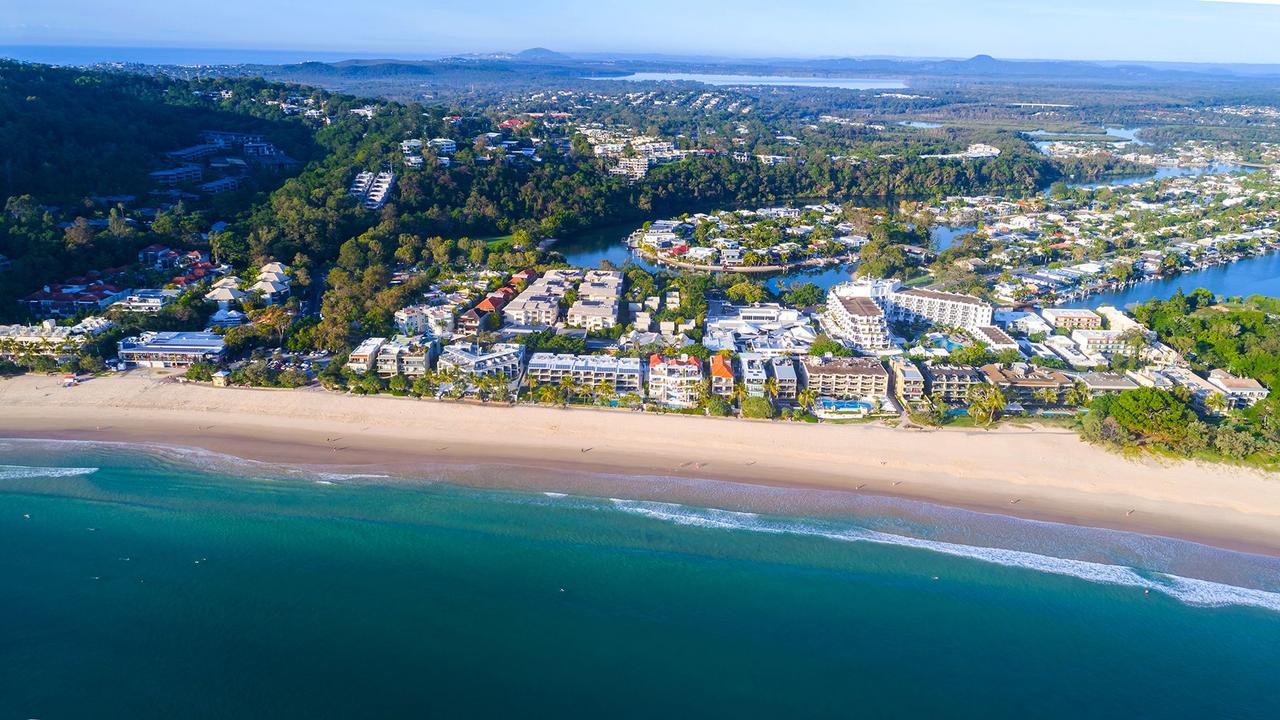
New mapping that predicts the impact of climate change has revealed a bleak but “realistic” possibility of rising sea levels inundating dome Queensland’s top tourism infrastructure including Brisbane Airport, Noosa, large parts of the Gold Coast and some of the most popular islands in the Whitsundays.

The Coastal Risk Australia Map paints a dire picture for some of the Sunshine State’s most iconic locations based on findings from the Intergovernmental Panel on Climate Change Fifth Assessment Report.

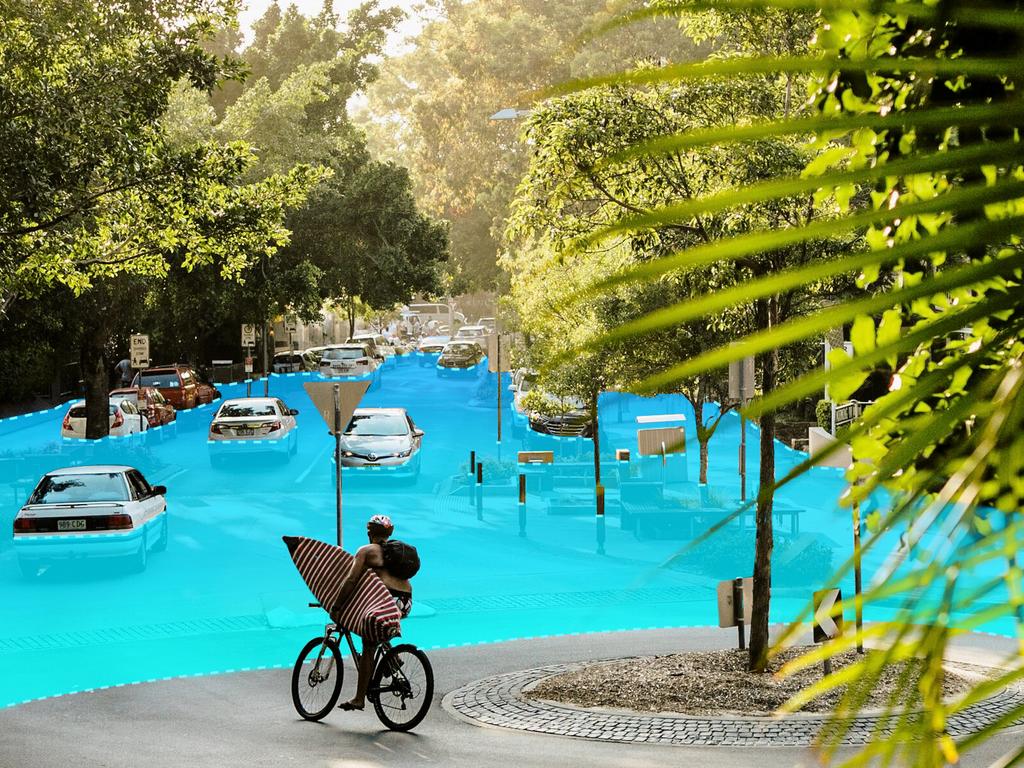
An artist’s impression of what Hasting Street in Noosa would look like under the modelling for a 0.84m rise in sea levels.

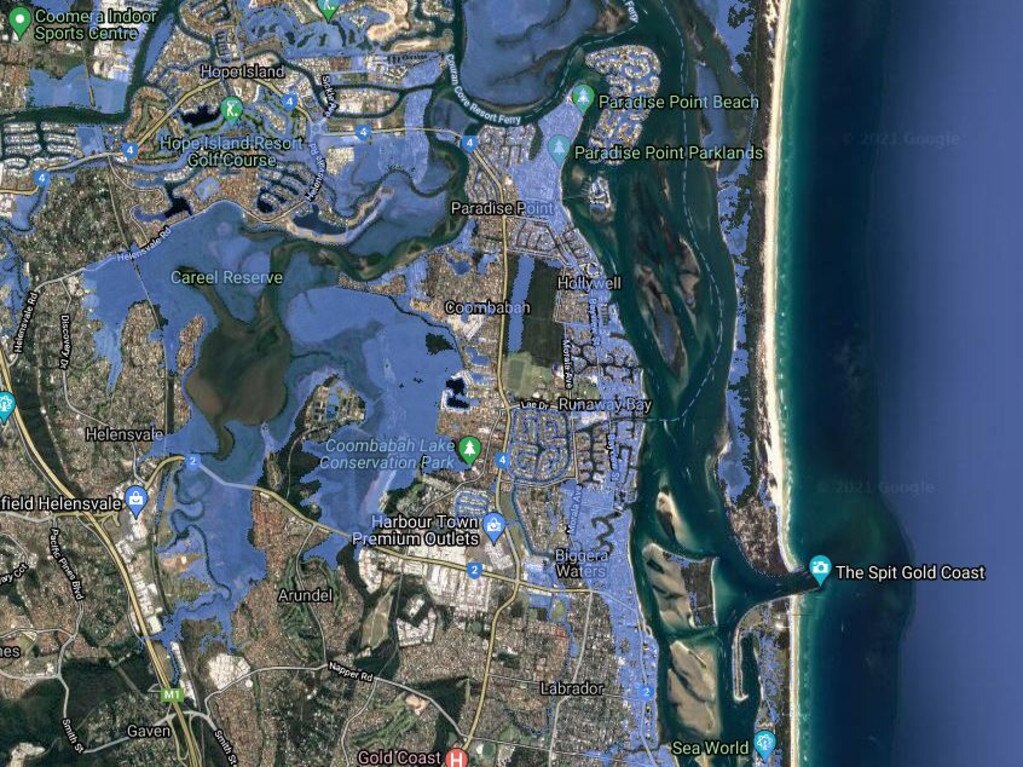
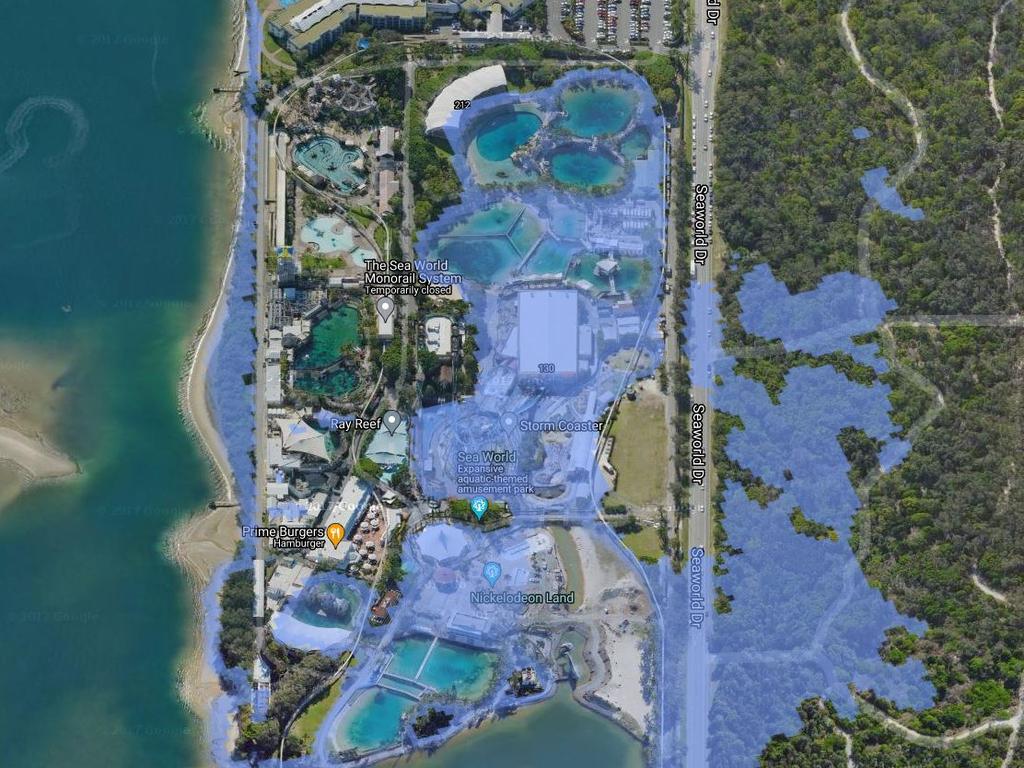
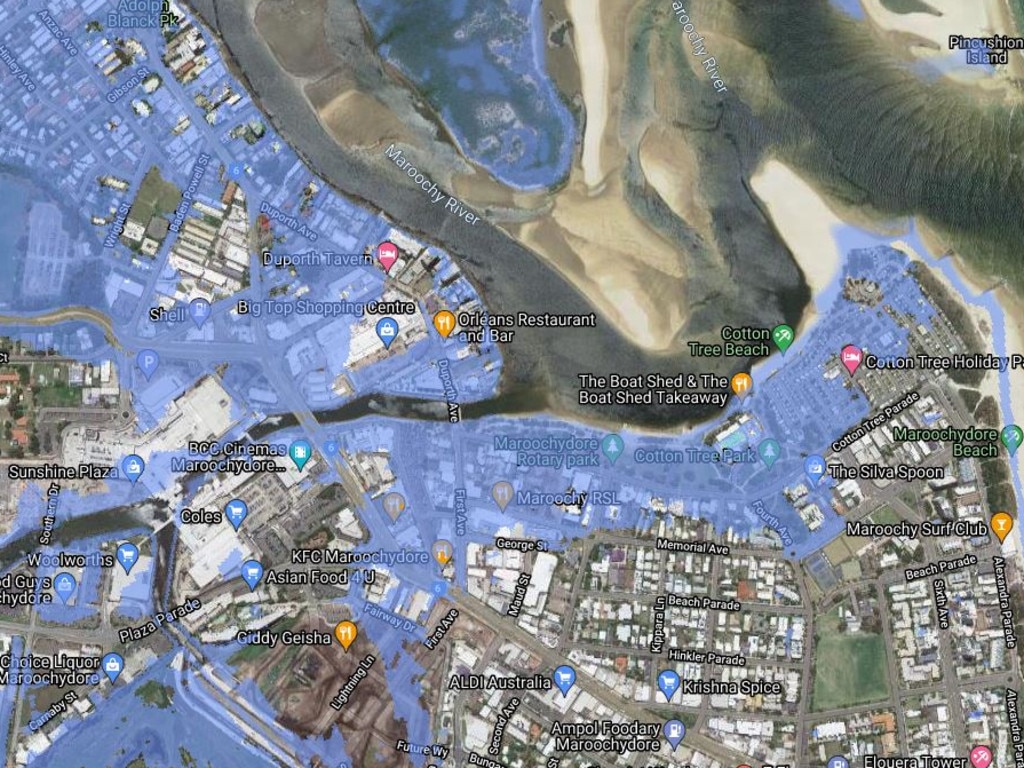
The interactive map shows Cairns Central Business District, Hamilton Island Airport and almost all of Maroochydore could be swamped by sea levels in 2100 based on a “high emissions scenario” of a 0.84m rise.Sea World in 2100 as depicted by the Coastal Risk Australia Map.

NOOSA

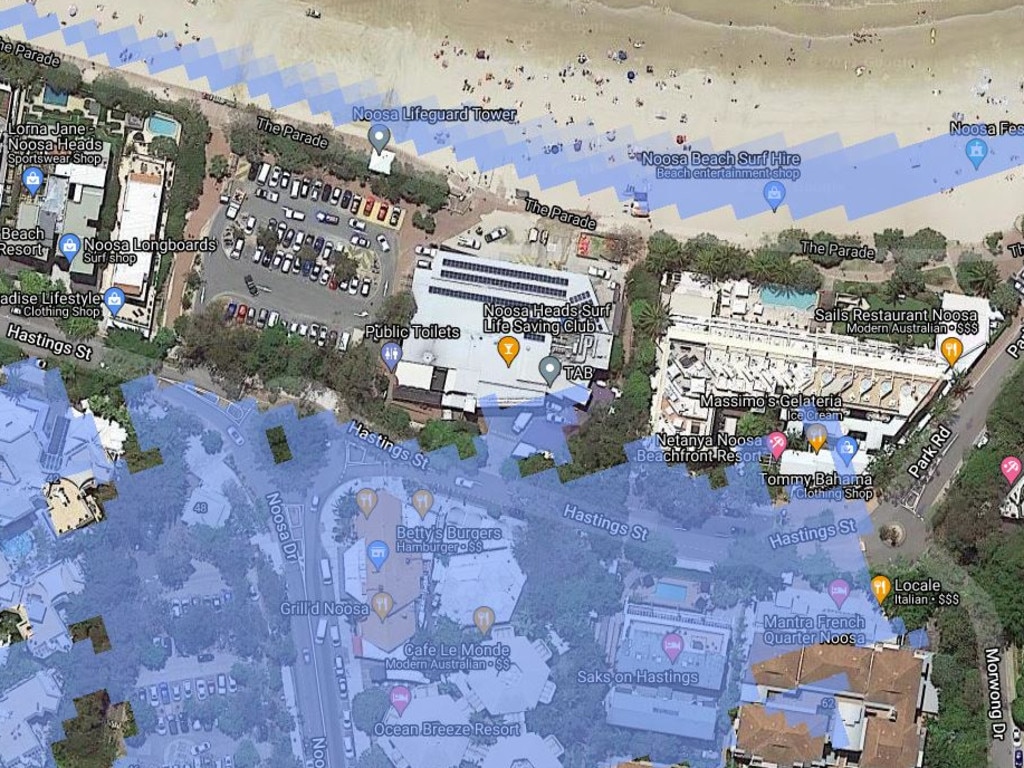
Main Beach, Hastings Street and the canals of Noosa are all facing a grim future under the modelling.

Hastings Street in 2100 as depicted by the Coastal Risk Australia Map.

FrontierSI and NGIS Australia developed the map, which states the predicted 0.84m sea level rise was in line with recent global emissions and observations of sea levels. “It is by no means an extreme scenario,” Bond University environmental science expert Daryl McPhee said.

“Like any modelling there is no guarantee the scenario will eventuate, but based on available information it is realistic scenario if no mitigation is undertaken.”


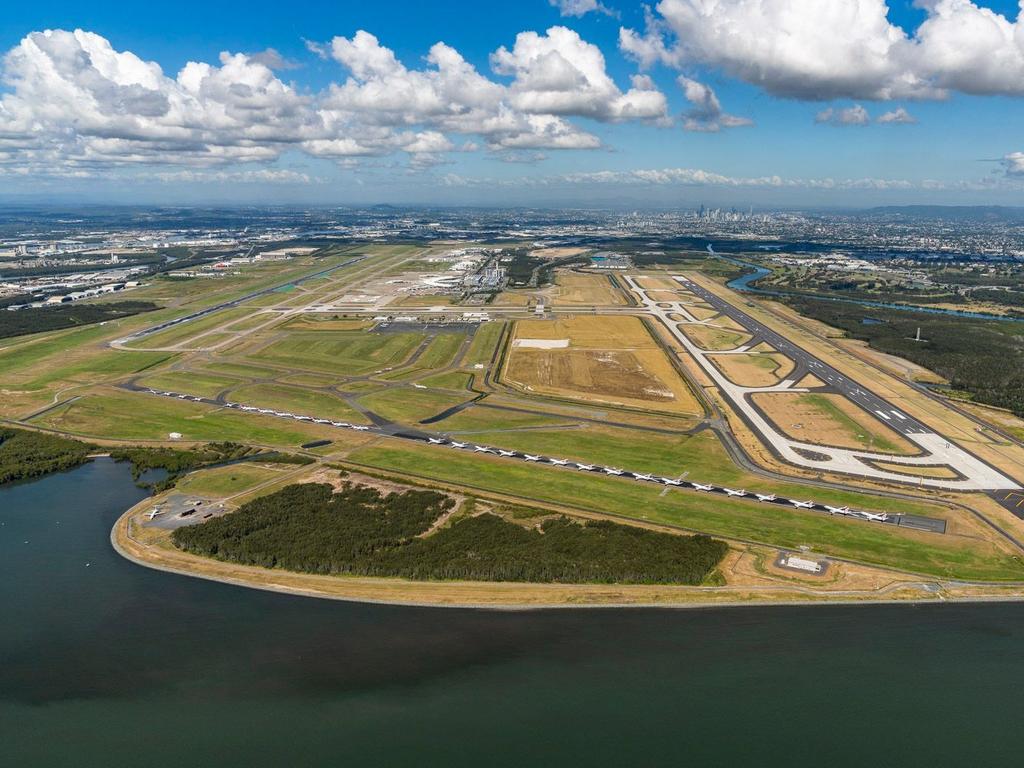
BRISBANE AIRPORT

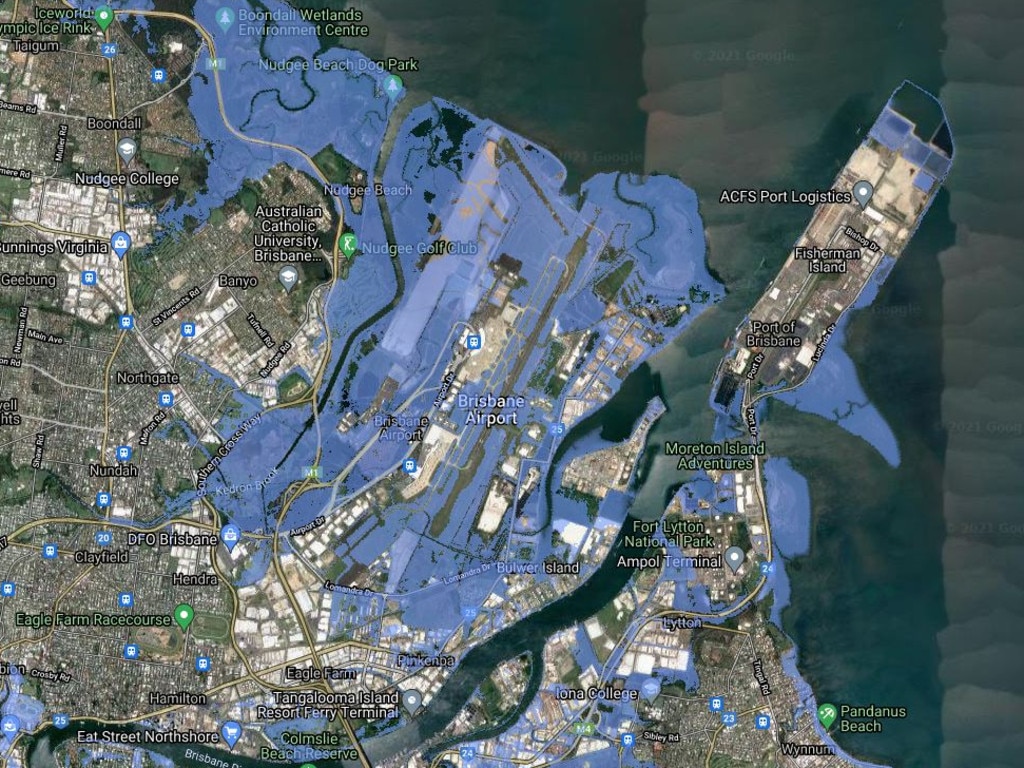
The areas around Brisbane Airport and the port face inundation.


Brisbane Airport in 2100 as depicted by the Coastal Risk Australia Map.

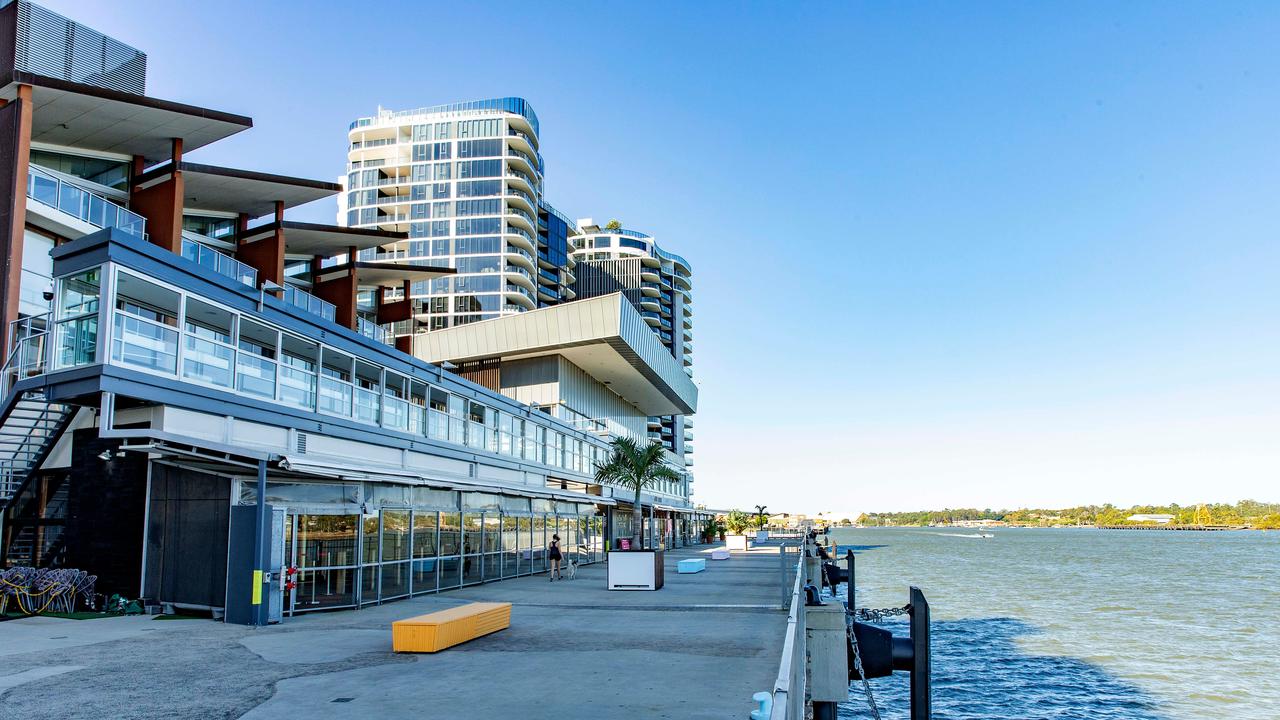
PORTSIDE WHARF, HAMILTON

Portside Wharf on the Brisbane River in Hamilton.

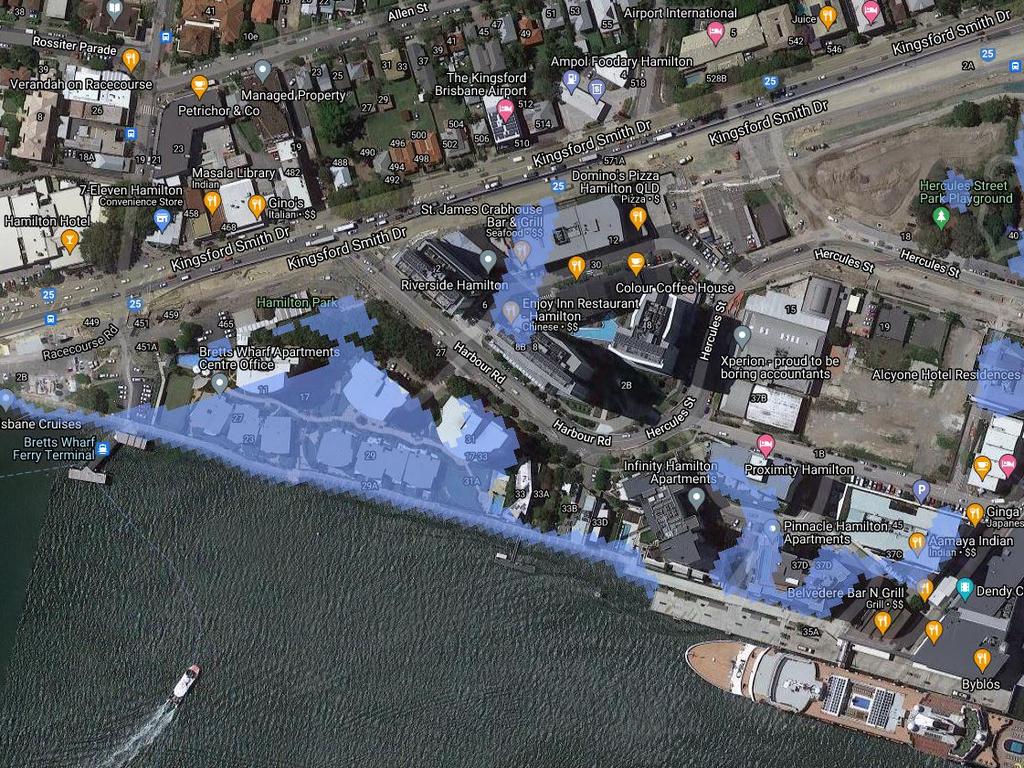
Hamilton in 2100 as depicted by the Coastal Risk Australia Map.

The high-emissions scenario predicts Brisbane landmarks to be impacted include Albion Park Raceway, Woolloongabba Rotary park, the Manly Boathouse, and Milton’s Roy Emerson Tennis Centre.

The modelling portrays rivers and creeks rising as far west as Oxley, where the Ipswich Motorway could go under.


“Prime residential locations such as the Gold Coast and Noosa are particularly prone to inundation, even if it is not the extent predicted in the model,” Dr McPhee said.

“On the Gold Coast the ‘A-line’ which is a buried rock wall that runs unobtrusively beneath many Gold Coast beaches is a critical last line of defence and should not be compromised by any public or private developments.

“Low-lying riverfront properties at places such as the Noosa River and the Nerang River and along Gold Coast suburbs such as Runaway Bay and Paradise Point are likely to see the first significant impacts and will need to prepare early to mitigate against them.”

GOLD COAST

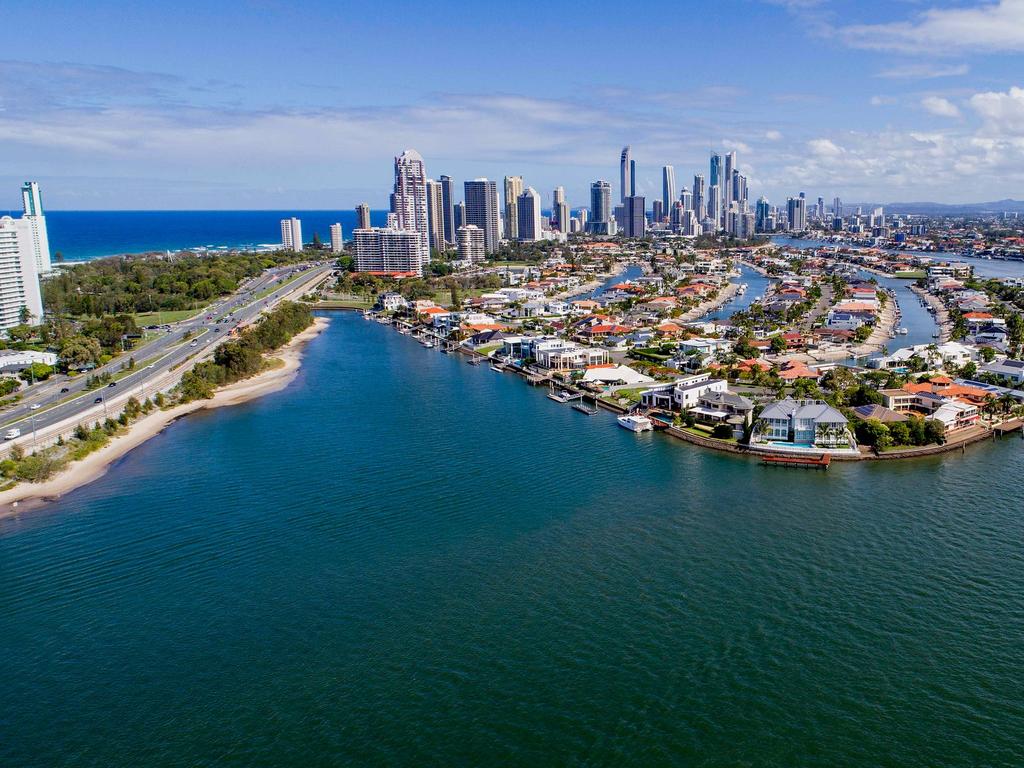
Low-lying riverfront properties on the Gold Coast are in the firing line.


North Gold Coast in 2100 as depicted by the Coastal Risk Australia Map.


Sea World in 2100 as depicted by the Coastal Risk Australia Map.


Dr McPhee said a reduction in greenhouse gas emissions could reduce the probability of the 0.84m sea level rise from happening.

But an even grimmer picture is painted by the map’s option to select a “very high scenario” modelled off a less likely sea level rise of 5m by 2150.

If climate change sends Queensland in that direction, the world can wave goodbye to Whitehaven Beach, Port Douglas, Wynnum and Manly’s foreshore and the Burleigh Pavilion.

A 5m rise would also flood almost the entirety of Nudgee Beach, Maroochydore, Beachmere, Tweed Heads and Inskip.

Upon releasing the map, CEO of FrontierSI Graeme Kernich said the aim was to place scientific modelling into the hands of the people so they could see for themselves how the areas they live in could be impacted by climate change.

MAROOCHYDORE

Maroochydore in 2100 as depicted by the Coastal Risk Australia Map.

Research published by the Reserve Bank of Australia in September explored how climate change could affect Australian banks and house prices by 2050.

The analysis by economists Kellie Bellrose, David Norman and Michelle Royters suggested there would be 254 climate-sensitive suburbs across Australia in 2050 which could see a 10 per cent fall in house prices.

CAIRNS

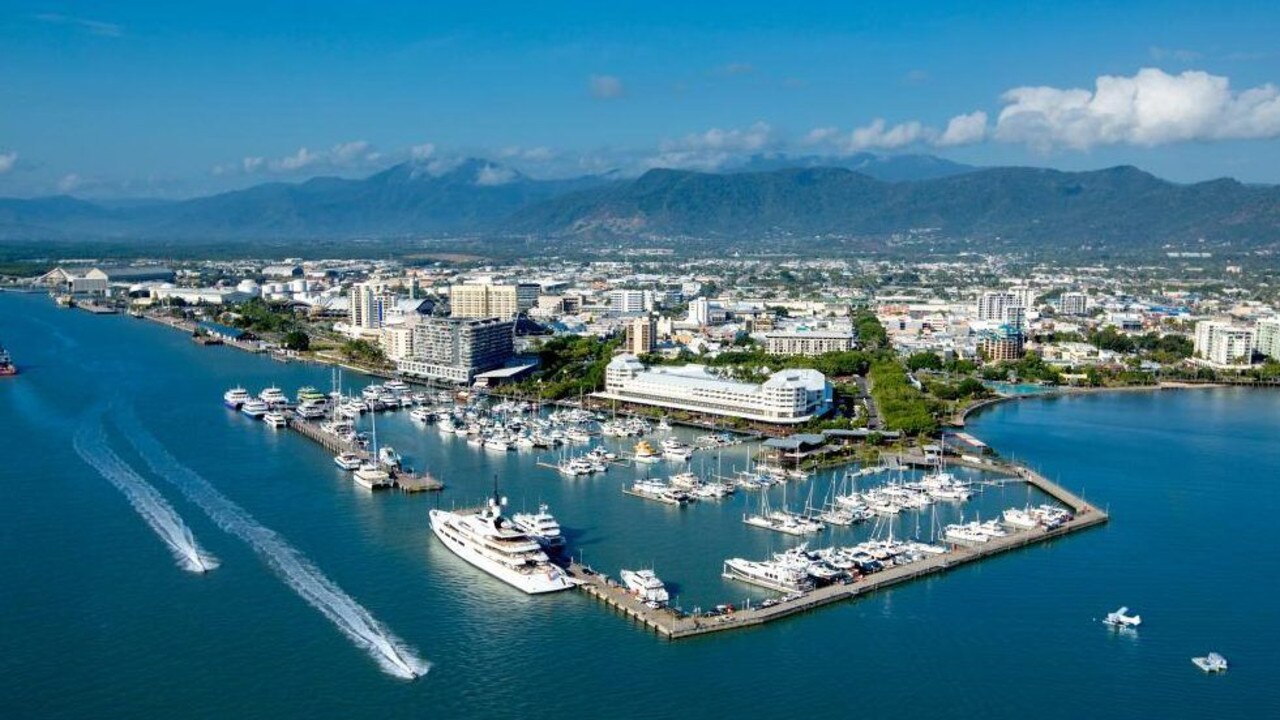
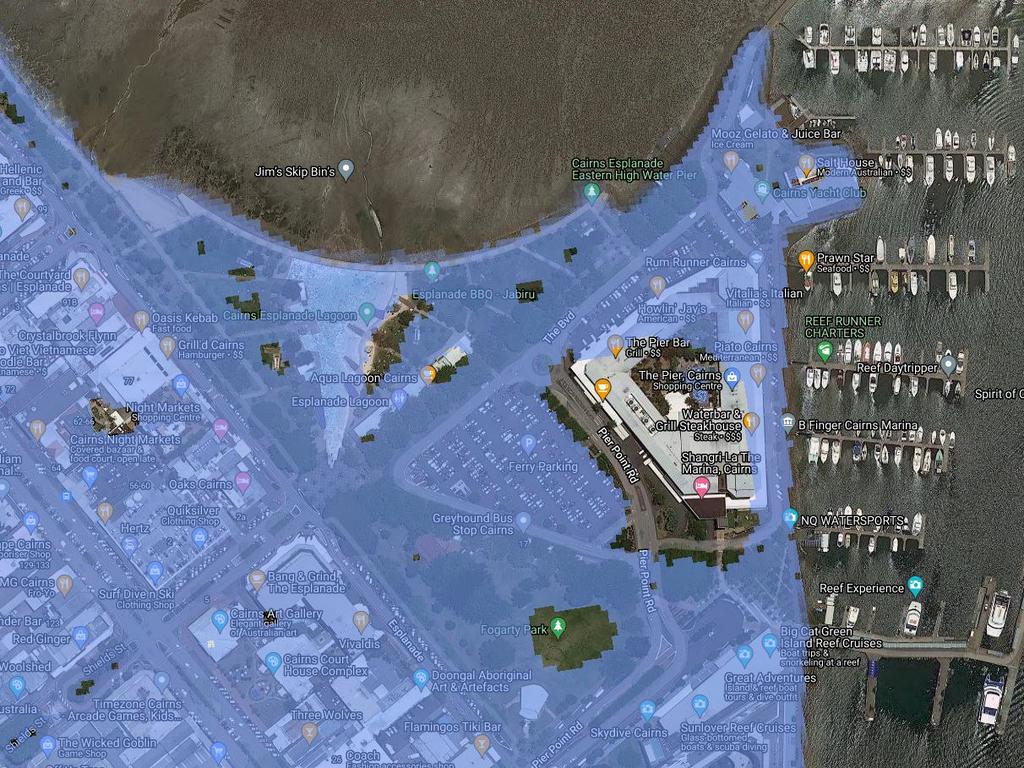
Much of the Cairns waterfront would go under.


Cairns Esplanade in 2100 as depicted by the Coastal Risk Australia Map.


“Within the major capital cities, where the majority of properties are located, the highest risk regions are mostly located on the coastline, particularly in Brisbane,” the paper stated.

“The risks in these regions could further increase if the affected communities find that access to, or affordability of, insurance becomes a challenge.”

MACKAY

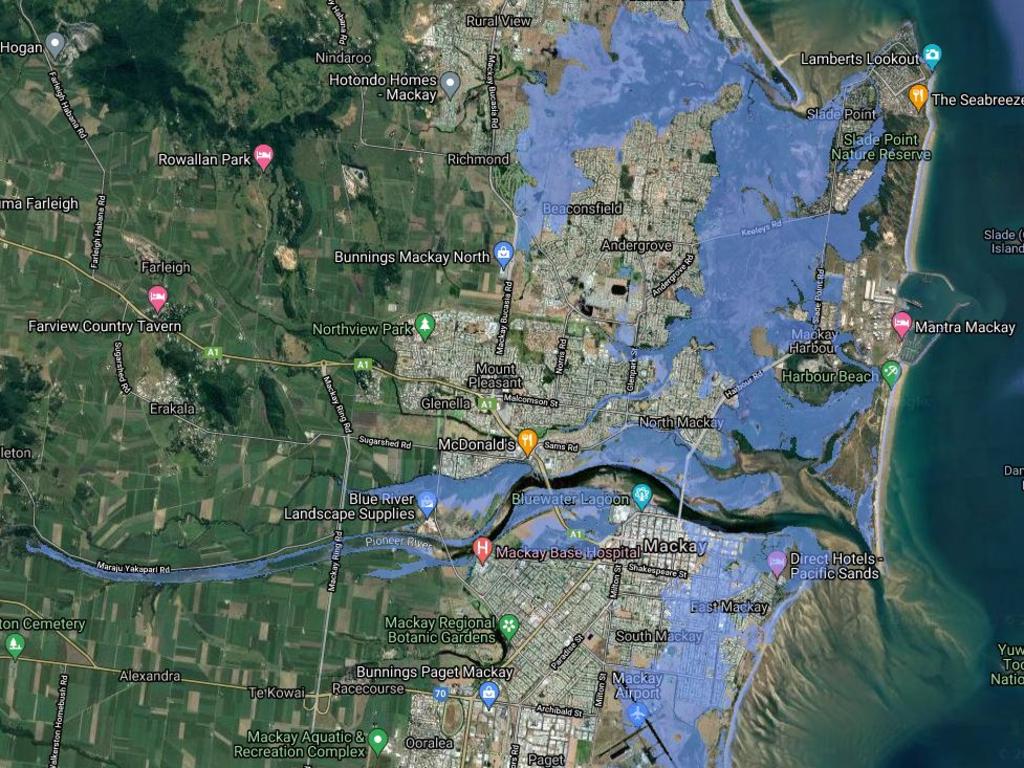
Mackay in 2100 as depicted by the Coastal Risk Australia Map.


Dr McPhee said the level of concern for property owners would be dependent on how they viewed their property as a long-term investment.

“They are highly unlikely to see any additional impacts of inundation in the five- to 10-year window, although if the investment is a generational investment modelling does determine that there will be some risk that may require mitigating and some risk to property values if inundation is frequent and significant,” he said.

“Insurance companies and banks will no doubt respond over time as climate change alters the risk profile of properties and respond.”

THE WHITSUNDAYS

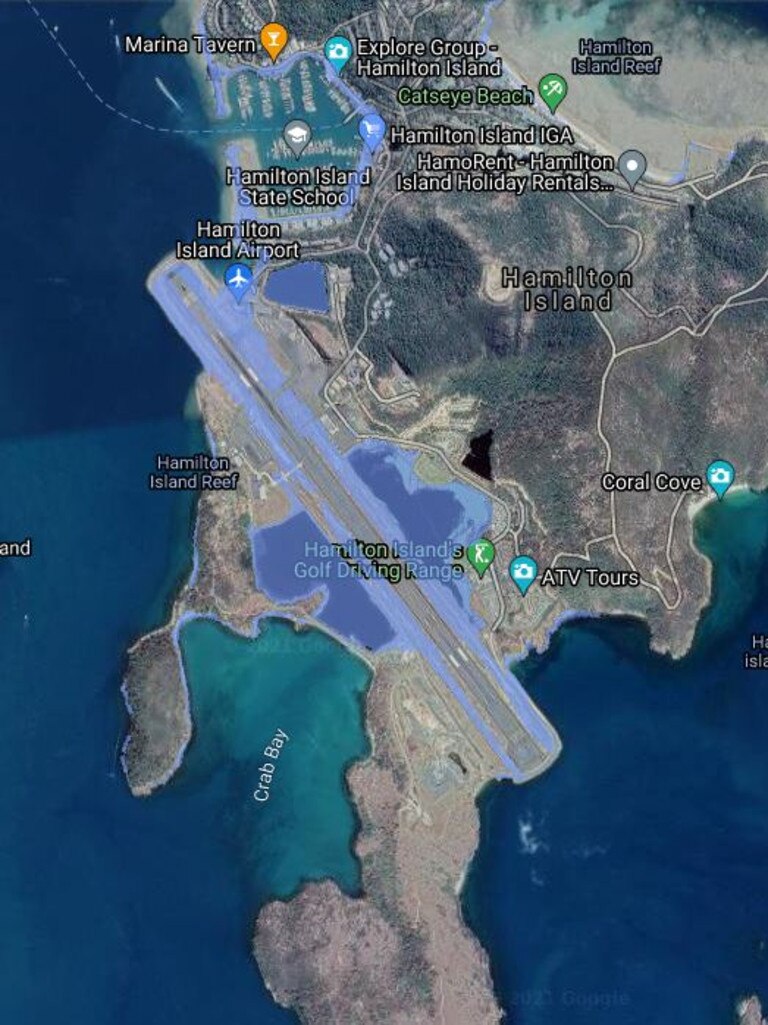
Hamilton Island in 2100 as depicted by the Coastal Risk Australia Map.

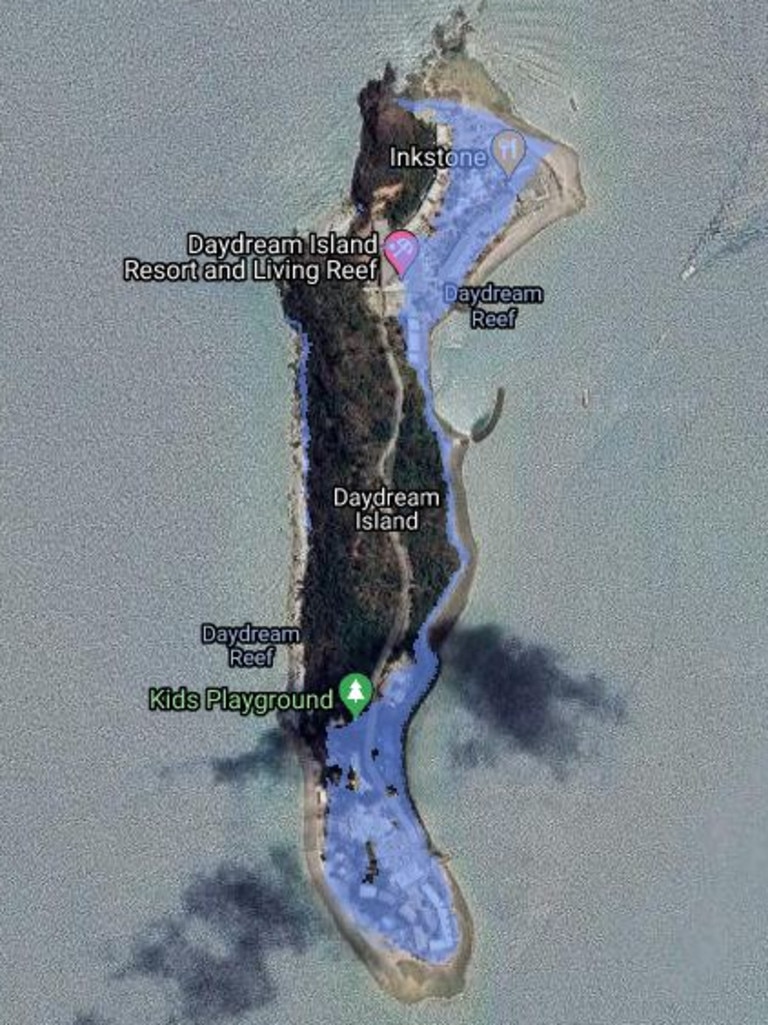
Daydream Island in 2100 as depicted by the Coastal Risk Australia Map.

He said it was possible insurance companies will respond with higher premiums and policy exclusions and banks may become reluctant to lend money over the 30 year horizon for properties at greater risk.

SUBURBS THAT WOULD BE INUNDATED IN A HIGH-EMISSIONS SCENARIO

  • Tweed Heads South
  • Paradise Point
  • Currumbin Waters
  • Biggera Waters
  • Runaway Bay
  • Jacobs Well
  • Norwell
  • Woongoolba
  • Gilberton
  • Point Lookout
  • Hemmant
  • Myrtletown
  • Shorncliffe
  • Beachmere
  • Bellara
  • Bongaree
  • Pelican Waters
  • Meldale
  • Mooloolaba
  • Maroochydore
  • Pacific Paradise
  • Mudjimba
  • Noosaville
  • Inskip
  • Burnett Heads
  • Moore Park Beach
  • Causeway Lake
  • Port Alma
  • Keppel Sands
  • Armstrong Beach
  • Sarina Beach
  • East Mackay
  • Cremorne
  • Midgeton
  • South Townsville
  • Railway Estate
  • Beach Holm
  • Saunders Beach
  • Forrest Beach
  • Taylors Beach
  • Lucinda
  • Tully Heads
  • Hull Heads
  • Midgeree Bar
  • Coconuts
  • Flying Fish Point
  • Russell Heads
  • Cairns City
  • Bungalow
  • Portsmith
  • Cairns North
  • Machans Beach
  • Port Douglas
  • Wonga
  • Thornton Beach
  • Boomfield

Links

(BBC) The Legal Battle Against Climate Change

BBC Future Planet - Jessica Bateman

Activists are increasingly suing governments and companies to take action against climate change – and winning. Could this be a turning point?

(Image credit: Getty Images)

David Schiepek, a student from the southern German state of Bavaria, has been involved in climate activism for around three years. "After all this time fighting, protesting and talking to politicians, I was losing hope a bit," the 20-year-old says. "I feel like my future is being taken away."

But in May this year, an unexpected event gave him a fresh sense of optimism. A lawsuit brought by a number of environmental NGOs, on behalf of a group of young activists, resulted in Germany's constitutional court ruling that the country's climate protection act must be amended to include more ambitious CO2 emissions reductions.

The decision stated that the government's failure to protect the climate for future generations was unconstitutional.

"I saw that, finally, politicians can be put under pressure and forced to take measures against climate change," Schiepek says. "It really changed the way I see politics."

Now he is hoping to build on this ruling, which applies only to the federal government. He has been recruited by an NGO, along with other young people from around Germany, to bring similar cases against their local state governments. Technically, he is suing his state to take action on climate change.

The last few years have seen a snowballing of court rulings in favour of environmentalists around the world. The cumulative number of climate change-related cases has more than doubled since 2015, according to a report authored by Kaya Axelsson of Oxford University's Environmental Change Institute and colleagues.

Just over 800 cases were filed between 1986 and 2014, while over 1,000 cases have been brought in the last six years, according to researchers Joana Setzer and Catherine Higham of the Grantham Research Institute on Climate Change and the Environment. Thirty-seven of those cases were "systemic mitigation" cases brought against governments.
The Paris agreement has teeth – not just against governments, but against companies – Paul Benson
One of the most high-profile was a Dutch case in 2015, in which a court ruled that The Netherlands' government has a duty of care when it comes to protecting its citizens from climate change. The judges decided the government's plan to cut emissions by 14-17% compared with 1990 levels by 2020 were unlawful given the threat of climate change. They ordered the target be increased to 25%.

As a result, the Dutch government closed a power plant four years earlier than planned and introduced a new climate plan in 2019. Elsewhere cases have led to similar rulings – including the recent German one that inspired Schiepek, as well as cases in countries such as Australia.

The rising number of cases is paving the way for stricter enforcement of environmental laws around the world and giving activists like Schiepek a new sense of hope.

A number of high-profile rulings have found certain governments' and corporations' climate action has been insufficient (Credit: Getty Images)

Roda Verheyen, one of the most well-known environmental lawyers in Germany, and one of those who represented citizens in Germany's constitutional court case this year, says she believes there are three reasons for the increase in successful cases. "One is that courts take a long time to actually come to conclusions," she says.

An increasing number of cases have been filed since 2014, so some are only now being heard after many years of work.

On top of this, the scientific evidence that climate change is caused by humans has become undeniable, meaning it is much easier for lawyers to prove this in court. And the governing laws that governments are expected to follow have also developed and expanded – Verheyen points out that back when she first started studying law around three decades ago, there was nothing remotely related to climate.

"And then obviously the narrative of what society perceives climate change to be has changed," she explains. "A lot of law is flexible to some degree, because you always have to interpret existing rules. And when they do that, they take into account societal norms and how belief systems might have changed."

She compares this development to marijuana-related offences – as attitudes towards the drug have become more liberal in many countries, sentences have become much lighter.

In the context of climate change, the public now overwhelmingly accepts the scientific consensus that it is man-made, and polls regularly put it towards the top of peoples’ concerns. This has in turn made courts more willing to rule against those responsible for emissions.

Verheyen explains that this year's German ruling is significant because many countries do not have a constitutional court that can make this type of decisions. Secondly, it is unlimited, so applies from now until forever, and she expects it to have a big impact on other cases around Europe.

Roda Verheyen successfully represented citizen's in Germany's constitutional case in 2021 (Credit: Alamy)

As well as cases against governments, cases against corporations have also been gathering pace.

One landmark ruling of 2021 was again in The Netherlands, where oil giant Royal Dutch Shell was ordered to cut its emissions by 45% by 2030, compared with 1990 levels. Shell has said it will appeal the ruling, while stepping up efforts to reach net zero emissions by 2050.

A Royal Dutch Shell spokesperson says the company is "rising to meet the challenge of the Dutch court's ruling" and has committed to reducing its Scope 1 and 2 emissions by 50% by 2030, compared with 2016 levels – these are Shell's direct emissions from owned or controlled sources, and its indirect emissions from the generation of purchased electricity, steam, heating and cooling.

"Our 2022 business plan will reflect this new target, which we are committed to delivering regardless of whether we win or lose our appeal against the ruling," the Shell spokesperson says.

These reductions don't include the emissions from burning Shell's fossil fuel products, which come under the category of Scope 3 emissions. The Dutch ruling stated that the company also needed to reduce its Scope 3 emissions, but the Shell spokesperson says that these findings hold Shell accountable for a wider global issue.

Paul Benson, a lawyer at Brussels-based NGO Client Earth, which specialises in environmental litigation, says this case "sought to apply the same reasoning [from the ruling against the Dutch government] to a corporate body. That was very novel, and I think a lot of commentators and people in our fairly enclosed legal circle weren't entirely sure what way the court would interpret [that]."

"I was thrilled for a court to find that a company's climate policy is in effect inadequate," he continues, calling the judgment "ground-breaking". The case was also the first time that a company was ordered to comply with the Paris climate agreement: "[It] shows the Paris agreement has teeth – not just against governments, but against companies."

This has paved the way for other lawsuits seeking to force corporations to comply with the treaty – Verheyen is currently working on a lawsuit against German carmakers BMW, Mercedes-Benz and Volkswagen which, if successful, would force them to phase out combustion engines by 2030 in line with the Paris goals.

"As you would expect, actors in this space and lawyers in our community have been studying the [Shell] judgement very carefully, and sought local reasoning to apply [it] in their jurisdiction," adds Benson.

"The complaint has not yet been served on us," says a spokesperson for Daimler, which makes Mercedes-Benz vehicles. "We do not see a basis for a cease-and-desist declaration, because we have long since issued a clear declaration for our 'lane change' to climate neutrality: As a car manufacturer, it is our ambition to become fully electric by the end of the decade wherever market conditions allow."

A BMW spokesperson says: "The BMW Group is firmly committed to the Paris climate agreement and already leads the automotive industry in the fight against climate change."

Meanwhile a Volkswagen spokesperson says that Volkswagen was the first car manufacturer to commit to all targets set by the Paris climate agreement "and is committed to become net carbon neutral at the latest by 2050", aiming to invest €35bn [£30bn/$40bn] in electric mobility before 2025.
I think there's a tendency sometimes for people to think about climate in a fatalist way. But everything we do now to mitigate and adapt is hugely worthwhile – Paul Benson
Benson and one of his colleagues, Sebastian Bechtel, both stress that the cases taking place now only challenge a fraction of environmental destruction that is happening around the world.

Many activists do not have the financial resources to take on big corporations.

"A lot of countries do not want to bring these claims," Bechtel says. "In the UK, those relate primarily to costs. In other countries, it's simply not possible to go to court to enforce specific laws."

Increasingly solid science proving anthropogenic climate change and shifting public sentiment are two reasons for the uptick in climate lawsuits (Credit: Getty Images)

Back in Germany, a newly launched NGO, Green Legal Impact, is seeking to address this issue by offering specialised training to young lawyers and connecting civil society groups to those offering legal representation.

Managing director Henrike Lindemann says that as a young environmental activist she "always saw that young people had political ideas. And then there were lawyers, often old white men, who told us our ideas were not possible because of the law," she says. "And I thought, I want to know for myself if this is true. And if it is, I want to know how to change it."

Lindemann says that one of the aims of the organisation is to encourage activist groups to be strategic in the court cases they pursue, so that any judgments can pave the way for further litigation.

She gives the example of a number of current cases challenging the planned 850km (530 miles) of motorway due to be built in Germany, which she argues has not been looked at through the lens of climate.

"I think if the court [ruled against one part of motorway], the discussion would change," she says. "It would not just be about that one section of motorway, it would be the entire plan. And then we would have to change the whole discussion around mobility."

Carbon Count
The emissions from travel it took to report this story were 0kg CO2. The digital emissions from this story are an estimated 1.2g to 3.6g CO2 per page view. Find out more about how we calculated this figure here.

The question of access to justice also brings about the issue of whether those in the Global South, who are disproportionately impacted by climate change, could in future bring cases against corporations or governments in wealthier nations.

Green Legal Impact is already working on helping people in other countries who have been impacted by German companies' actions seek justice, and a recent UK ruling stated that communities can sue parent companies for environmental damage caused by their subsidiaries.

Verheyen says it would be difficult to find courts to support cases against foreign governments, "unless at some point one very severely hit country decides to go state-versus-state, which has been a topic of conversation in academic and political circles for a long time, but hasn't happened."

Environmentalists are feeling optimistic after this year's judgments. But given how slowly courts move, do they feel this may all be too little, too late? "Obviously I don't think it's too late, otherwise I would stop what I'm doing," replies Verheyen. "I think we're actually seeing a lot of movement."

Benson agrees. "I think there's a tendency sometimes for people to think about climate in a fatalist way," he adds. "But everything we do now to mitigate and adapt is hugely worthwhile."

In terms of which potentially ground-breaking cases we might see in future, Verheyen suggests that both the finance sector "and anything to do with land use and forests" are areas where she is expecting more action to arise. "If you look closely at the Shell judgement, it says, no further fossil fuel investment, full stop," she explains. "If I was a financial institution, I would be looking very closely at that one."

But overall, lawyers working in this field are keen to point out that litigation isn't a silver bullet for ending the climate crisis.

"It's just one of the levers that can be pulled to trigger necessary change," says Benson. "The other levers are activism, policy and, of course, science. But [litigation] is an incredibly powerful tool, and I think this year we've seen that."

Links

Lethal Heating is a citizens' initiative