11/11/2015

'Life On Our Planet At Stake': Warnings Over Climate Change Catastrophe

AFP


Large swathes of Sydney, New York, Shanghai, London and other major capital cities could disappear under massive waves of water and millions driven into poverty, fresh climate reports warned.
If global warming continues on its present trajectory of 4 degrees Celsius, rising sea levels will claim land inhabited by more than 600 million people, according to a survey by Climate Central, a US-based research group.
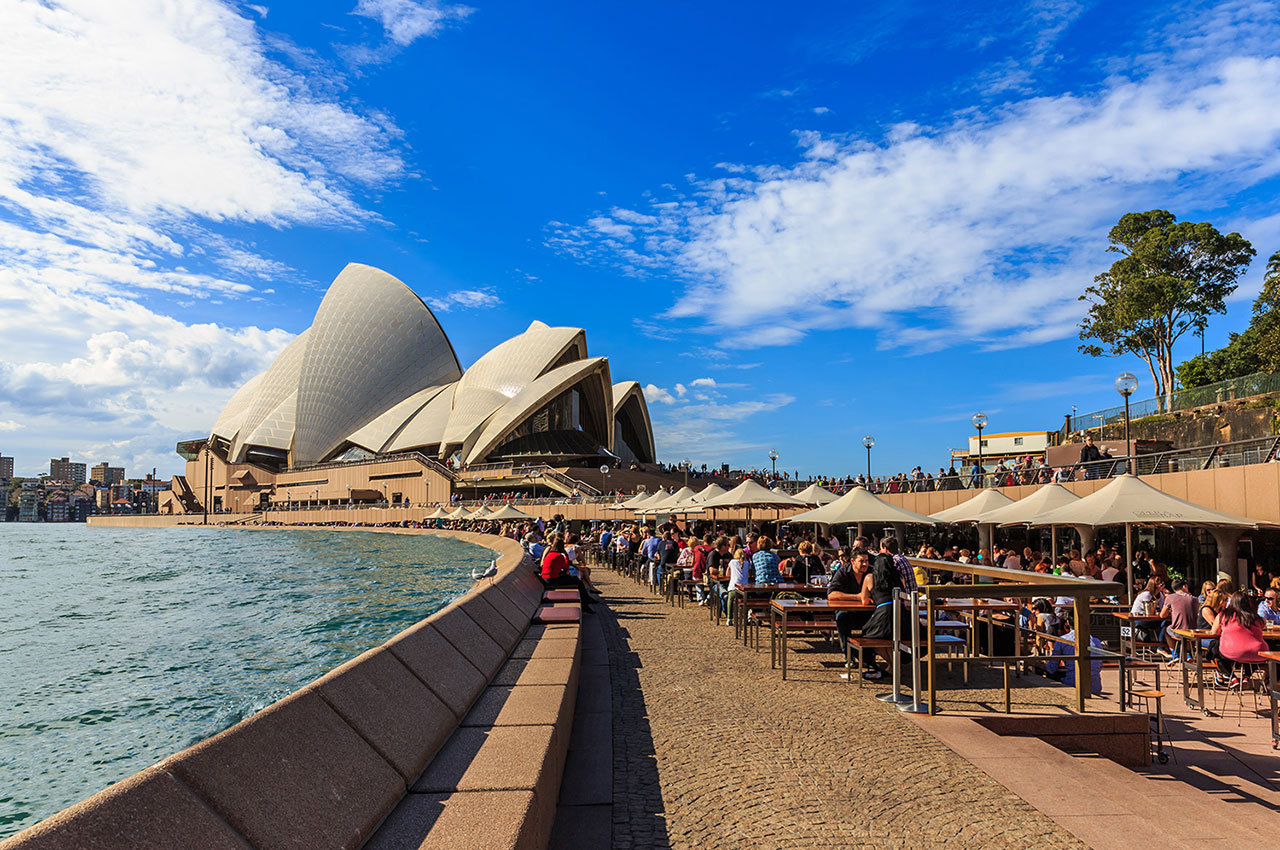
3
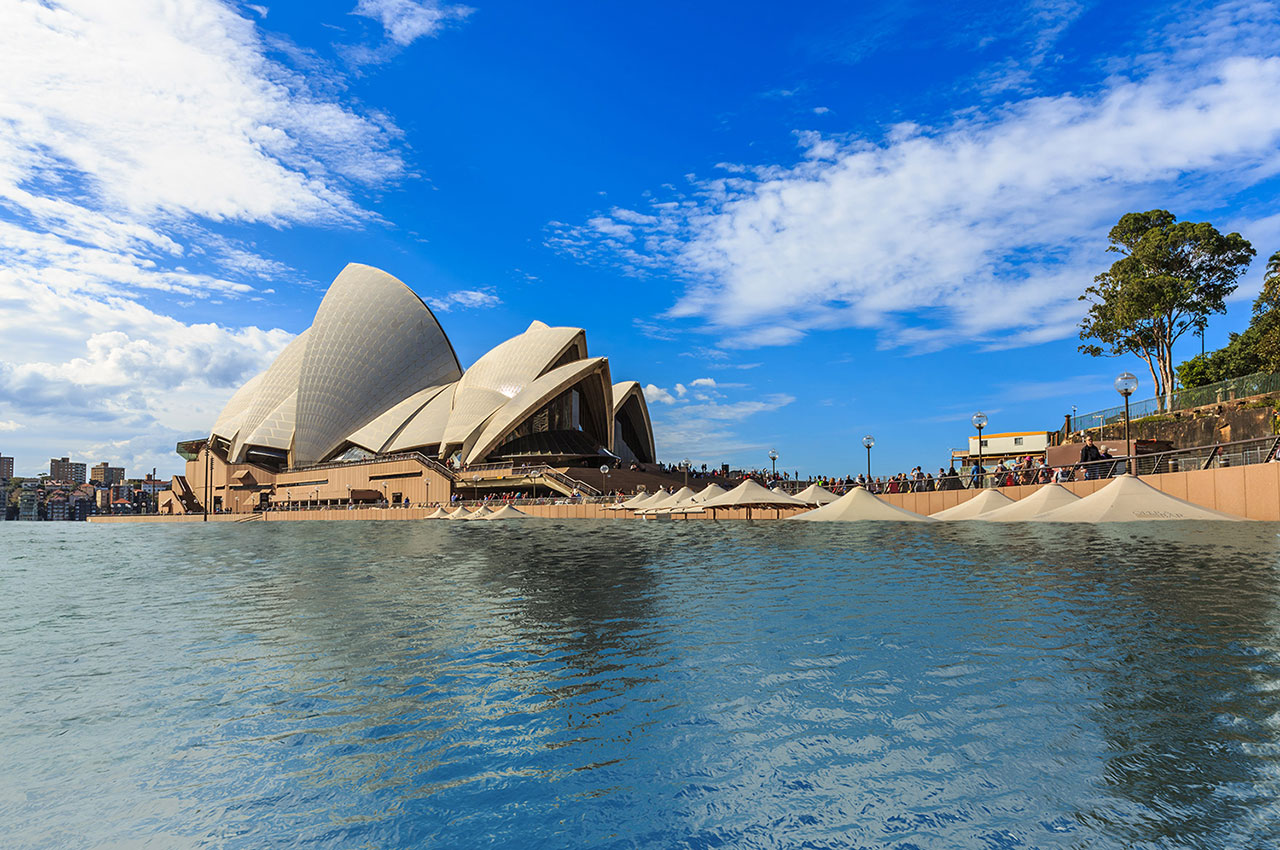
Sydney's famous Circular Quay after 2 degrees Celsius of warming. Photo: Climate Central


4
Sydney's famous Circular Quay after a more concerning 4 degrees Celsius of warming. Photo: Climate Central


Such a rise would hit China the hardest, with around 145 million people living in coastal areas that would be submerged, the report warned.
Even if the Paris summit, which starts on November 30, succeeds in its goal of limiting temperature rises to 2 degrees Celsius, around 280 million people would find their homes underwater, forecast Climate Central.
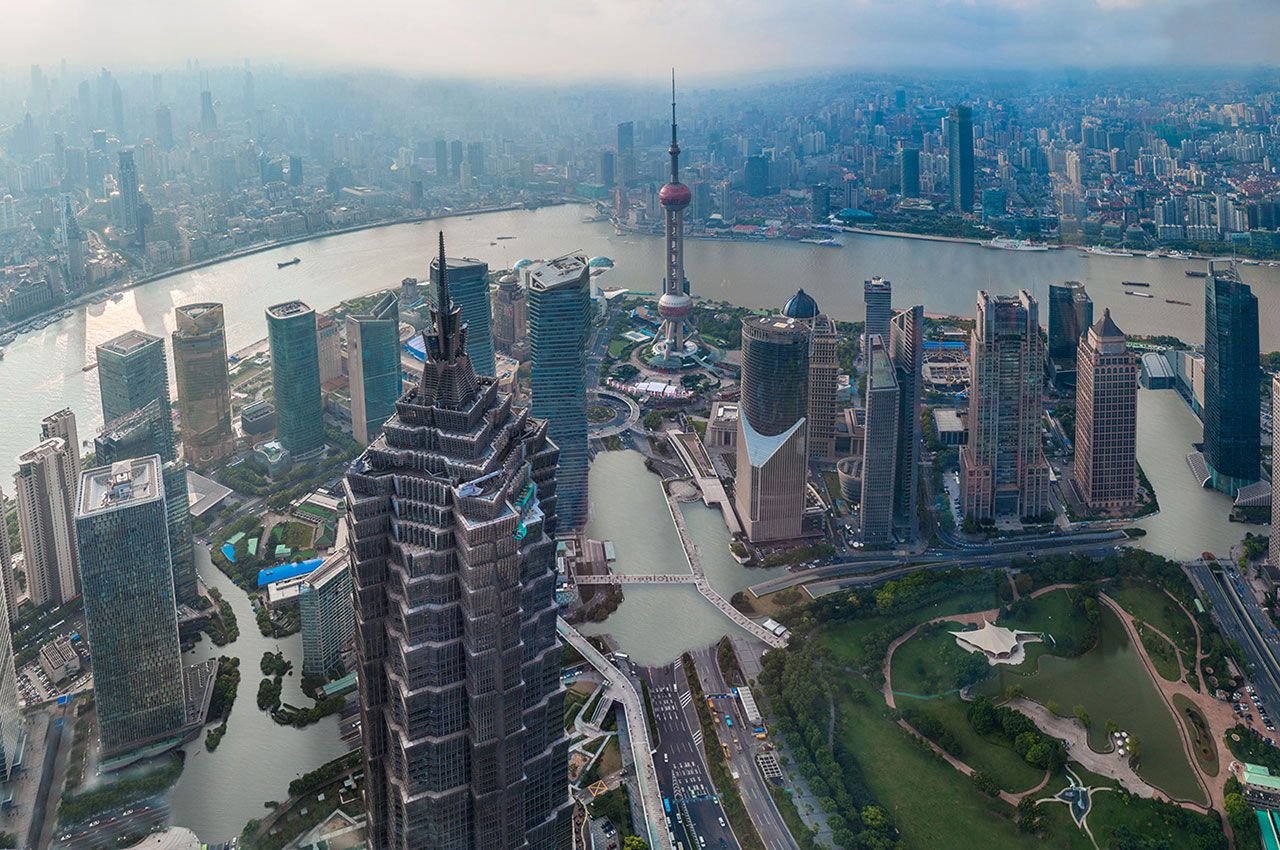
1
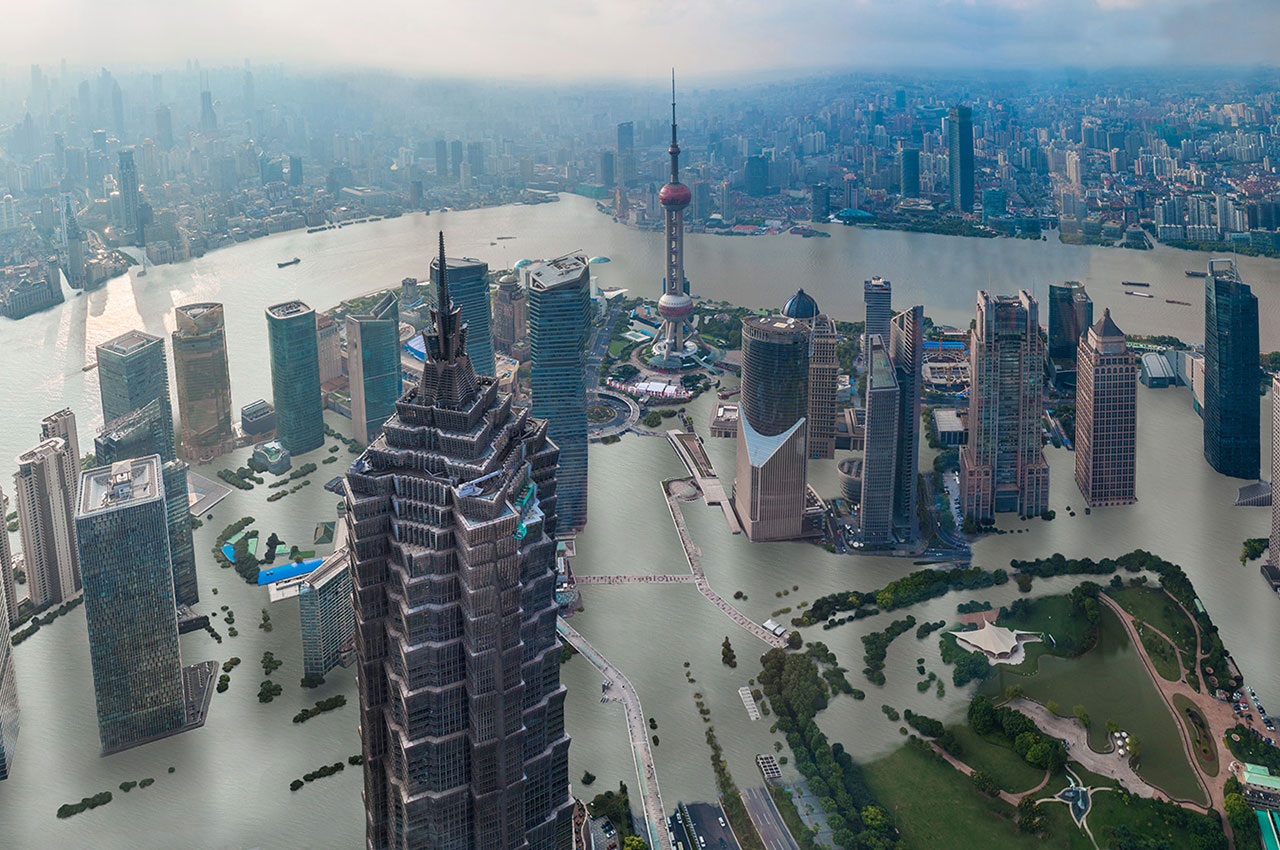
Shanghai after a 2 degree Celsius rise in temperature.


2
Shanghai after a 4 degree Celsius rise in temperature. Such a rise would hit China the hardest, with around 145 million people living in coastal areas that would be submerged, the Climate Central warned.

A separate World Bank study released late Sunday said there could be "more than 100 million additional people in poverty by 2030" if action was not taken to stem climate change.
"The poor are more vulnerable to climate-related shocks than wealthier people," said the report, urging "strong action" from leaders and diplomats at the Paris summit.


French Foreign Minister Laurent Fabius, who is hosting the meeting, issued his own dire warnings as ministers gathered in the French capital for eleventh-hour negotiations.
"It is life on our planet itself which is at stake," Fabius told journalists as ministers and climate envoys from 70 countries met for pre-summit talks to iron out tough political questions.
With the key UN conference just three weeks away, Fabius also announced Russia's President Vladimir Putin would attend the November 30 opening.
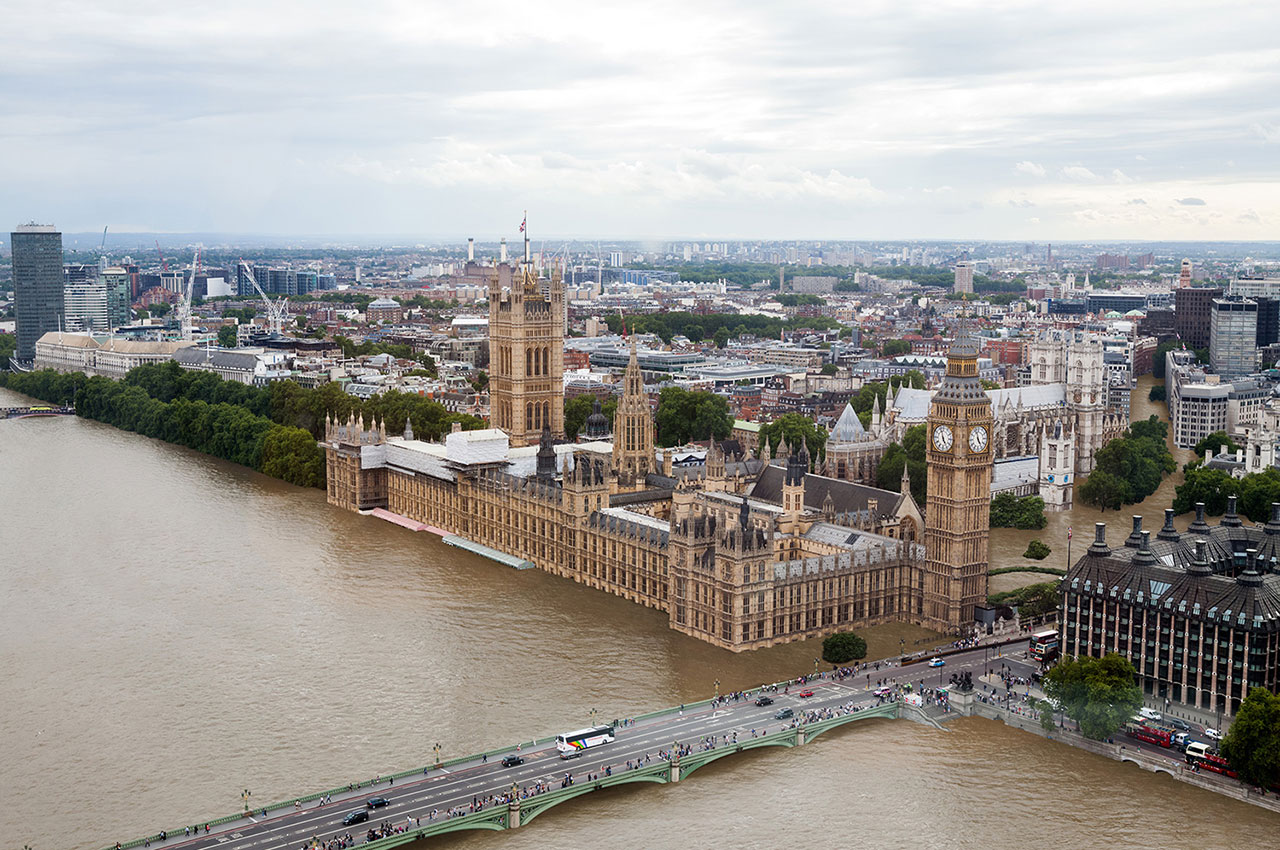
London after a 2 degree Celsius rise in temperature. Photo: Climate Central


London after a 4 degree Celsius rise in temperature. Photo: Climate Central
Russia, a major oil producer, is seen as a deal-maker or breaker in the years-long attempt to negotiate the world's first truly universal pact to curb climate-altering greenhouse gas emissions.
"There is absolute urgency," said Fabius, to achieve the UN goal of limiting global warming to two degrees Celsius (3.6 degrees Fahrenheit) over pre-Industrial Revolution levels.
The UN's climate science panel has warned of an average temperature rise of "four, five, six degrees, if we do not act extremely quickly," he said.
"This would have catastrophic consequences because there would be drought... and colossal migration problems, including problems of war and peace."
Durban after a 2 degree Celsius temperature rise. Photo: Climate Central


Durban after a 4 degree Celsius temperature rise. Photo: Climate Central
'Life on Earth threatened'
Britain's Met Office announced Monday that local mean surface temperatures were set to reach 1 C above pre-industrial levels for the first time -- half-way to the 2 C threshold which scientists say humanity must not cross.
Environment and energy ministers in Paris are groping for convergence on issues dividing the 195 nations negotiating a climate rescue pact which must be inked at the upcoming summit.
A World Bank study Sunday said there could be "more than 100 million additional people in poverty by 2030" unless action is taken to stem climate change.


French Foreign Minister Laurent Fabius, hosting ministers and climate envoys from 70 countries to prepare for the summit over which he will preside, issued his own dire warning.
"It is life on our planet itself which is at stake," he said at the start of talks Sunday.
"There is absolute urgency" to achieve the 2 C goal, said Fabius. Anything higher would have "catastrophic consequences" -- including wars over dwindling water and other resources.
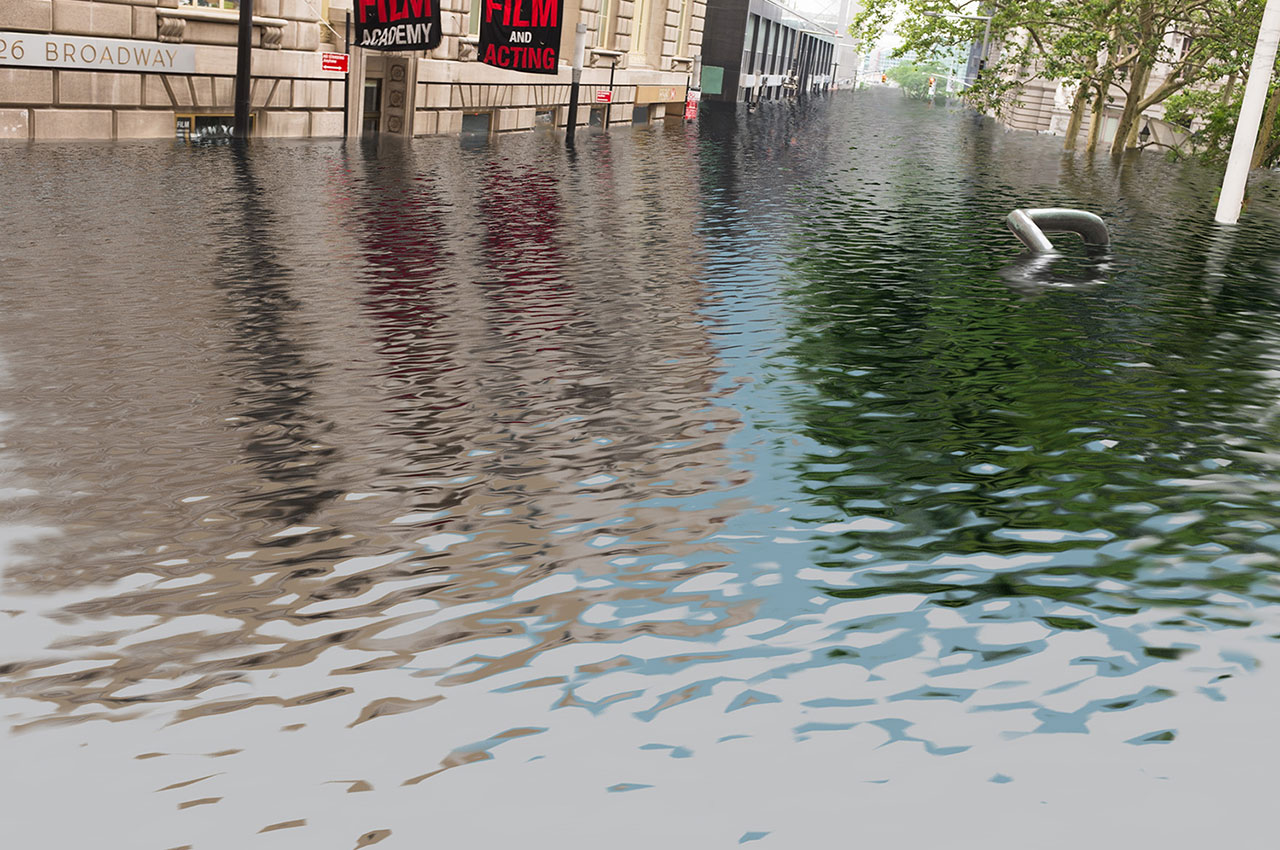
New York City after a 2 degree Celsius rise in temperature. Photo: Climate Central


New York City after a 4 degree Celsius rise in temperature. Photo: Climate Central


The summit will be opened by some 100 heads of state and government, among them US President Barack Obama, China's Xi Jinping, and Narendra Modi of India.
It is meant to produce the first truly universal pact to rein in climate change by curbing emissions from burning fossil fuel. It is also tasked with helping poor countries adapt to climate impacts already in the pipeline.
Ministers are the ones who will ink the deal at the end.
But first, they must find political compromise to feed into a blueprint for the deal compiled by rank-and-file diplomats over years of tough negotiations in the UN climate forum.
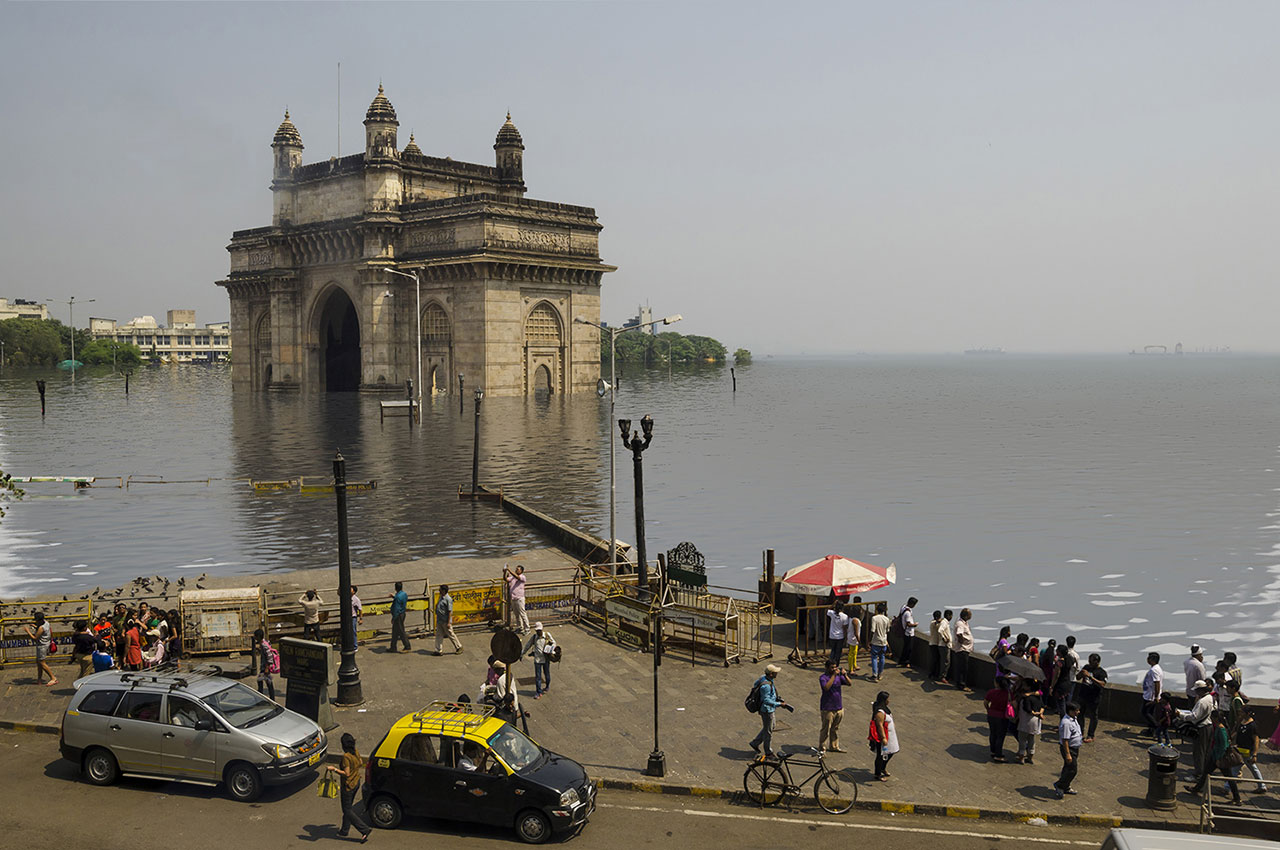
Mumbai after a 2 degree Celsius rise in temperature. Photo: Climate Central


Mumbai after a 4 degree Celsius rise in temperature. Photo: Climate Central


Wrangling over finance, fairness
For now, the draft remains little more than a laundry list of often directly opposing national options for dealing with the challenge at hand.
Countries remain divided on issues of fairness and finance -- basically who must be doing what.
Developing countries insist rich ones should lead the way in slashing emissions as they have polluted for longer.
They also want assurances of finance to make the shift from cheap and abundant fossil fuel to greener energy sources, and to shore up defences against climate change-induced superstorms, drought, flood and sea-level rise.
But industrialised countries point the finger at emerging giants such as China and India spewing carbon dioxide as they burn coal to power expanding populations and economies.


As the bickering continues, the UN last week issued a fresh warning that national carbon-curbing pledges submitted to date set the stage for warming of about 3 C, or more.
Last month, scientists said the first nine months of 2015 had been the hottest on record worldwide.

Rio de Janeiro after a 2 degree Celsius rise in temperature. Photo: Climate Central
Rio de Janeiro after a 4 degree Celsius rise in temperature. Photo: Climate Central


Pre-COP
Ministers are aiming to ink a global deal to prevent worst-case-scenario warming at the end of the November 30-December 11 Conference of Parties (COP21) in Paris.
It will be opened by UN chief Ban Ki-moon and some 100 heads of state and government including US President Barack Obama, China's Xi Jinping, Narendra Modi of India -- and now also Putin.
The three-day ministerial "pre-COP" from Sunday to Tuesday must seek political convergence on key issues still dividing nations, to avoid a repeat of the 2009 Copenhagen summit which ended without a binding global pact.
The Paris agreement will be underpinned by national pledges to curb greenhouse gas emissions from burning coal, oil and gas -- the best way to slow climate change.
Climate beliefs political: Survey

But the UN this week issued a fresh warning that pledges submitted to date set the stage for warming of closer to 3 C, or more.
Last month, scientists said the first nine months of 2015 had been the hottest on record worldwide.
Climate negotiators were bracing for another report later Monday, this time from the United Nations weather agency, which will release its annual report on the concentration of greenhouse gases in the atmosphere.


Laundry list 
Ministers will base their discussions in the coming days on a rough draft of a deal compiled by rank-and-file diplomats over years of tough negotiations in the UN climate forum.
They cannot alter the text -- merely identify areas for potential political compromise to be fed back into it.
For now, the blueprint remains little more than a laundry list of often directly opposing national options for dealing with the challenge at hand.
Developing countries insist rich ones should lead the way in slashing emissions as they have polluted for longer.
They also want assurances of finance to make the shift from cheap and abundant fossil fuel to greener energy sources, and to shore up defences against climate change-induced superstorms, drought, flood and sea-level rise.
But industrialised countries point the finger at emerging giants such as China and India spewing carbon dioxide as they burn coal to power expanding populations and economies.

10/11/2015

Earth's Climate Entering New 'Permanent Reality' As CO2 Hits New High

The Guardian - Adam Vaughan

UN experts urge immediate action to cut emissions as CO2 concentrations in the atmosphere are on track to hit historic high, up 43% on pre-industrial times

Paris focus: Latest greenhouse gas warnings come just weeks before major global climate talks.
Photograph: Chesnot/Getty Images

The Earth’s climate will enter a new “permanent reality” from next year when concentrations of CO2 in the atmosphere are likely to pass a historic milestone, the head of the UN’s weather agency has warned.
The record concentrations of CO2 in the atmosphere were up 43% since pre-industrial times, said the World Meteorological Organization (WMO), prompting its secretary general Michel Jarraud to say immediate action was needed to cut CO2 emissions.
The WMO’s latest greenhouse gas bulletin comes just three weeks before world leaders including Barack Obama, Xi Jinping and David Cameron meet in Paris in a bid to reach a new deal on cutting emissions.

Atmospheric CO2
Guardian graphic Source: World Meteorological Organization

Concentrations of CO2 stood at a global annual average of 397.7ppm in 2014, up from about 278ppm in 1750, and the UN said the global annual average is likely to pass the symbolic 400ppm milestone in 2016. Scientists say that the ‘safe’ level of CO2 to avoid dangerous global warming is more like 350ppm.
“We will soon be living with globally averaged CO2 levels above 400 parts per million as a permanent reality,” said Jarraud.
“We can’t see CO2. It is an invisible threat, but a very real one. It means hotter global temperatures, more extreme weather events like heatwaves and floods, melting ice, rising sea levels and increased acidity of the oceans. This is happening now and we are moving into uncharted territory at a frightening speed,” he said.
The increase in CO2 concentrations from 2013 to 2014 was 1.9ppm CO2, slightly lower than the mean for the last decade of 2.06ppm, but higher than the 1990s mean of 1.5ppm.
The WMO also warned that the rising Earth surface temperature caused by these record CO2 concentrations created a vicious circle when it comes to water vapour. Higher temperatures lead to more atmospheric water vapour, which in turn traps even more heat.
Jarraud said that each year he announced new records for CO2 concentrations and that to keep temperatures within manageable levels, CO2 emissions from factories, cars and power plants needed to be cut now. “The laws of physics are non-negotiable,” he said.

COP21 In Paris Doesn't Define Climate Change Action

The Huffington Post Australia

Pete Turner via Getty Images

As we get closer to the 21st Conference of the Parties (COP) in Paris in November and December, the thought pieces, blogs, and public lectures have been piling up. What will success at COP21 look like? What will it mean for global climate efforts? What if it is a failure?
But is all this time, energy, and media scrutiny misplaced? As someone who has been working in the Australian climate change adaptation space for the past four years, I believe so.
While the outcomes of COP21 will undoubtedly impact the world's ability to significantly lower global emissions, many are unaware that a lot of the groundwork on climate action has already begun at a local level across the country.
For the past three decades, the international community has debated the veracity of climate science, employed market mechanisms for reducing carbon emissions (to varying success), and debated reduction targets, while Smaller Island Developing States (and later other developing countries) have pleaded for action to halt the climate impacts they have been experiencing over the past few years.
Australia is a laggard when it comes to emissions reduction, with a poor target to take to Paris and the political baggage of climate sceptics in key political positions.
What most Australians don't know is that local councils have been developing Climate Change Adaptation Plans (CCAPs) since 2007, with well over 100 plans across the country. The Federal government may be dragging its feet, but local councils have been all over this for years.
The most recent council to release its CCAP was the City of Sydney. The adaptation strategy was developed with the input of internal and external stakeholders as well as the input of our Sydney University Research team (Professor David Schlosberg, Dr Simon Niemeyer and myself) who designed a Citizens' Panel to contribute to the development of the CCAP.
The strategy now includes the concerns raised by citizens through that Panel, with citizen-endorsed actions and prioritised risks highlighted throughout. This policy development is independent of COP21, and has real implications for overcoming the challenges presented by climate impacts.
For the most part, CCAP development has evaded attention in Australia. The general public are largely unaware of the amount of work their local councils have done in this space, and a lot of that conscious 'under-the-radar' approach can be traced back to negative politics over climate change in the country.
Regardless of the outcome in Paris, local councils will continue to plan for the extreme weather events brought about by climate change, especially the ones they are already beginning to face such as prolonged heatwaves, severe bushfires and wild storm weather.
Furthermore, as pointed out at the recent Sydney Ideas event A Global Climate Deal in 2015, civil society has and will continue to play a huge role in building momentum for climate action.
Canadian author and activist Naomi Klein rightfully devotes chapters to the progress of social movements and grassroots activists across the world in achieving climate wins in her climate change bestseller This Changes Everything.
Increasingly, it is the efforts of local communities who Lock the Gate, participate in blockadia, divest, and campaign for climate action which creates the momentum needed to face the climate challenge.
And the momentum in Australia is not just underway in the adaptation space. The recent release of the movie Frackman and successful launch of 'Powershop' (which recently partnered with Oxfam) over the past year indicate that Australians are increasingly aware of the need to mitigate emissions, to reconnect with the Earth, and to work towards a non-polluting economy.
Recent research conducted for my thesis also indicates that Australians do not always distinguish between mitigation and adaptation specifically, but rather approach the issue with a focus on holistic, interconnected strategies to deal with the climate change problem.
Paris is not the be-all and end-all for global climate change action. Incremental changes over the past 10 years have delivered pockets of success all over the globe, and those will continue post-Paris regardless of what happens.
Why wait for the outcomes of Paris? There is plenty of engagement already taking place.

Australia Faces Rising Perils From Climate Change, Earthquakes: Munich Re Report

Fairfax - Peter Hannam

Sydney can expect 30 per cent more thunderstorm days as the climate warms up, Munich Re says.
Photo: Nick Moir

Sydney faces almost one-third more hailstorm days, Brisbane is at a rising risk of a direct hit from a category-three cyclone, and south-eastern Australia will have to endure three times as many high-risk bushfire days over the century because of climate change, one of the world's biggest re-insurers says.
The costs to Australia from natural catastrophes has almost quadrupled from 1980 to reach $6.3 billion year, a figure which soar to $23 billion by 2050, according to Munich Re's latest Expect the Unexpected report.
Most of the threats, ranging from droughts to heatwaves and sea-level rise, will be worsened by a warming planet caused by rising greenhouse gas levels, Eberhard Faust, head of climate risk research for Munich Re, told Fairfax Media.
Boats hammered after Cyclone Yasi in 2001. Photo: Glen Hunt GTH

While north-east Australia can expect the number of tropical cyclones of moderate to medium intensity to drop by as much as 35 per cent over the century, the most powerful storms will likely increase in frequency, climate models indicate.
The region of cyclones' maximum intensity is also shifting poleward in both the northern and southern hemispheres. That means a category 3-strength cyclone hitting Brisbane - which has had near misses in the past - "is on the cards", Dr Faust said.
Tropical cyclones Lam and Marcia over Australia in February 2015 - expect more such storms further south, Munich Re says. Photo: NOAA

"Insurers should really get it on the radar ... and think about the huge exposure and what the consequences would be," he said. Regions from the Gold Coast to Brisbane are exposed to risks from storm surges, wind damage and floods.
Shifting wind patterns that may hamper the formation of cyclones have other consequences, such as triggering more thunderstorms. These events already count among Australia's biggest natural disasters, such as the April 1999 Sydney hailstorm that left a $3.8 billion damage bill in today's dollars.
For Sydney, the number of days a year with atmospheric conditions conducive for thunderstorms will rise by 30 per cent by the end of the century, based on a high global emissions trajectory. For Melbourne, the increase will be about 20 per cent, Dr Faust said.
Bushfire risks, too, will be elevated by a combination of worse droughts and also rising hotter temperatures.
"In terms of the atmospheric conditions which are prone to forest fires, models project up to a three-fold increase in frequency by the end of the century for southern and eastern Australia," Dr Faust said.

Quake risks
While nations can limit the damage by curbing carbon emissions, constructing more resilient homes, bridges and other buildings would cut Australia's future repair bills. Such spending can also help protect against a threat few Australians have considered - earthquakes.
Sydney, Melbourne, Perth and especially Adelaide are located in areas with an "enhanced level of seismicity", with the South Australian capital already rocked by a magnitude-5.4 quake in 1954, Munich Re said.
A repeat of Adelaide's1954 temblor would likely leave a multi-billion dollar bill in insured losses alone, while a magnitude-6 event - which happens somewhere in Australia roughly once every five years - would potentially cost tens of billions of dollars, the reinsurer said.
"There's a realistic scenario that one of [Australia's] big cities might be hit by a magnitude 6 or greater earthquake," Dr Faust said.

09/11/2015

How Runaway Sea Level Rise Could One Day Swamp The World's Biggest Cities

Fairfax - Tom Arup


Greenland's ice is melting. Scientists set up camp on the ice of Greenland, in the hope to capture the first comprehensive measurements of the rate of melting ice. Their research could yield valuable information to help figure out how rapidly sea levels will rise in the 21st century.

Hundreds of millions of people around the world are living in places that could eventually be submerged by rising sea levels triggered by unchecked climate change, new global maps suggest.
An estimated 627 million people live in these places, including about 1.9 million in Australia and many more in the world's great metropolises such as Tokyo, New York and Shanghai.
The rising seas won't happen overnight, nor in anybody's current lifetime. The global mapping project, carried out by the US group Climate Central, is based on huge sea-level rises that would not emerge for another 200 to 2000 years.
Hurricane Katrina left much of New Orleans under water in 2005. A similar scenario could play out for many of the world's big cities if predicted sea level rises occur. Photo: Reuters

But a report that accompanies the maps, released on Monday, says this future would be locked in if global warming reached four degrees by 2100 - considered likely if the current level of emissions continued unabated.
The project is based on a scientific paper published in the Proceedings of the National Academy of Sciences of the USA in October. That analysis - carried out by researchers at Climate Central - found that four degrees of warming could lock-in 8.9 metres of long-term sea level rise in the centuries to follow.
If warming was held to two degrees by strong emissions cuts - the goal of a new global climate agreement countries are negotiating through the United Nations - then the rise would be more like 4.7 metres. About 280 million people live in areas below that watermark.
Across Australia, the analysis finds there are about 1.9 million people living in areas that would be submerged if there was an 8.9 metre rise in sea level. At 4.7 metres, it is 668,000 people.
In central Melbourne, the maps based on what is locked in with four degrees of warming suggests significant inundation of prized bayside suburbs and throughout Docklands.
In Sydney, the water pushes up into the suburbs around the harbour and Botany Bay.


The report says Shanghai is the city most affected. About  22.4 million people would be displaced by an 8.9 metre sea level rise, and 11.6 million by 4.7 metres.
Also among the most affected places could be major Indian cities. In Kolkata, there are 12 million people living in the areas affected by sea level rise of nine metres.
In Jakarta, water would reach land that 9.5 million people currently call home under the four-degree scenario.
The actual number of people who would be affected is fairly speculative given the very long timeframes at play. These numbers do not factor in preventative measures cities might take in the meantime to counteract rising seas. Nor does it consider how populations will move and grow.
Sea level rise as a result of global warming comes from the thermal expansion of the oceans and the melting of glaciers. But the biggest potential rises depend on the long-term response of massive ice sheets in Antarctica and Greenland, for which there is significant scientific uncertainty.
For that reason scientists have been largely conservative in their projections. In 2013, the UN Intergovernmental Panel on Climate Change reported in its last major assessment a projected sea-level rise of at worst 0.82 metres out to 2100 with unchecked emissions.
But more recently a number of studies have begun to explore what might happen after the end of this century. One recent example is an Australian-led study that found if ice shelves protecting the Antarctic sheets from the ocean were lost, then it would unlock thousands of years of unstoppable contributions to sea level rise.

World Bank Warns Climate Change Could Add 100 Million Poor By 2030

Fairfax

Cyclone Pam's impact on Vanuatu: World Bank warns ranks of the poor will swell with climate change. Photo: Lawrence Smith

Without the right policies to keep the poor safe from extreme weather and rising seas, climate change could drive over 100 million more people into poverty by 2030, the World Bank said on Sunday.
In a report, the bank said ending poverty - one of 17 new U.N. goals adopted in September - would be impossible if global warming and its effects on the poor were not accounted for in development efforts.
But more ambitious plans to reduce climate-changing emissions - aimed at keeping global temperature rise within an internationally agreed limit of 2 degrees Celsius - must also cushion poor people from any negative repercussions, it added.
"Climate change hits the poorest the hardest, and our challenge now is to protect tens of millions of people from falling into extreme poverty because of a changing climate," World Bank Group President Jim Yong Kim said in a statement.
The bank's estimate of 100 million more poor by 2030 is on top of 900 million expected to be living in extreme poverty if development progresses slowly. In 2015, the bank puts the number of poor at 702 million people.
Climate change is already hurting them through decreased crop yields, floods washing away assets and livelihoods, and a bigger threat of diseases like malaria, said John Roome, World Bank senior director for climate change.
He described ending poverty and tackling climate change as "the defining issues of our generation".
"The best way forward is to tackle poverty alleviation and climate change in an integrated strategy," he told reporters.
Poor families are more vulnerable to climate stresses than the rich because their main assets are often badly built homes and degrading land, and their losses are largely uninsured, the report said.
Low-income households in sub-Saharan Africa and South Asia are particularly at risk of having their hard-won gains wiped out by climate-linked disasters, forcing them back into extreme poverty, it added.
The report warns that, between now and 2030, climate policies can do little to alter the amount of global warming that will happen, making it vital to invest in adaptation measures and broader ways to make people more resilient.
When Cyclone Pam devastated Vanuatu this March, a payout from a regional catastrophe risk scheme helped speed the response. When drought in Ethiopia led to a hunger crisis in 2011, a national programme providing food and cash in return for work on community projects was quickly expanded.
Better social safety nets and health coverage for all, together with targeted improvements such as flood defences, early warning systems and hardier crops, could prevent or offset most of the negative effects of climate change on poverty in the next 15 years, the report said.
"We have a window of opportunity to achieve our poverty objectives in the face of climate change, provided we make wise policy choices now," said Stephane Hallegatte, a senior World Bank economist who led the team that prepared the report.
Roome highlighted the need to roll out good policies faster, and ensure development projects consider climate projections, so that new infrastructure is not damaged in the future.
Adaptation limits
Beyond 2030, the world's ability to adapt to unabated climate change will be limited, warned the report, released ahead of a U.N. climate summit from Nov. 30-Dec. 11 where a new deal to curb global warming is due to be agreed.
To rein in the longer-term impacts on poverty, immediate policies are needed that bring emissions to zero by the end of this century, the World Bank said.
Some of those will have benefits for the poor, such as cleaner air, more energy efficiency and better public transport.
Others could increase energy and food prices, which represent a large share of poor people's expenditures, the report noted.
But policy shifts need not threaten short-term progress against poverty provided they are well-designed and international support is made available, it added.
For example, savings from eliminating fossil fuel subsidies could be reinvested in assistance schemes to help poor families cope with higher fuel costs.
Or governments could introduce carbon or energy taxes and recycle the revenues through a universal cash transfer that would benefit the poor, the report said.
The international community can help by providing financial and technological support for things like insurance schemes, crop research, public transport and weather forecasting systems, the report said.

Canada Now Has a Minister of Climate Change

The Huffington Post Canada - Joshua Ostroff

Words matter, and nowhere is that clearer than with Wednesday's unveiling of the Ministry of Environment and Climate Change during the swearing-in of Canada's new cabinet.
Catherine McKenna, a lawyer with a background in international trade and social justice, is in charge of the renamed portfolio.
"Canadians expect their government to be responsible around climate change and addressing the impacts to the environment that we are facing," Prime Minister Justin Trudeau said following the ceremony. "Canada is going to be a strong and positive actor on the world stage, including in Paris at COP21. That's why we have a very strong minister, not just of the environment but of the environment and climate change who will be at the heart of this discussion."
Critics have spent the past 10 years decrying government indifference, if not outright antagonism, to the issue of climate change. The previous Conservative government pulled Canada out of the Kyoto Accord, muzzled government scientists, and refused to allow Opposition leaders to attend international conferences. (The latter prompted Trudeau's profane response in Parliament.)
While Harper did pass some environmental policies, a recent report card from a Simon Fraser University professor gave the Harper government an F. The report authored by Mark Jaccard said, "Since 2006, the government has implemented no regulations that would materially reduce Canadian GHG emissions from what they otherwise would be in 2020."
Trudeau, on the other hand, campaigned on climate change. During the Munk Debate, he tied the environment and the economy together, and promised $40 billion for public transit and green infrastructure to reduce greenhouse gas emissions.
After winning the federal election, he also immediately invited opposition leaders including the Green Party's Elizabeth May, and the provincial premiers to attend the upcoming Paris climate change summit.
Trudeau is not the first leader to change the name of the entire ministry to include climate change. Ontario has had a minister of environment and climate change following the Liberal win in 2014.
As well, climate change is referenced as the titular portfolio of environment ministers from Australia, Belgium, Denmark, Greece, New Zealand, India, Scotland, the UK and the European Union.

Lethal Heating is a citizens' initiative